
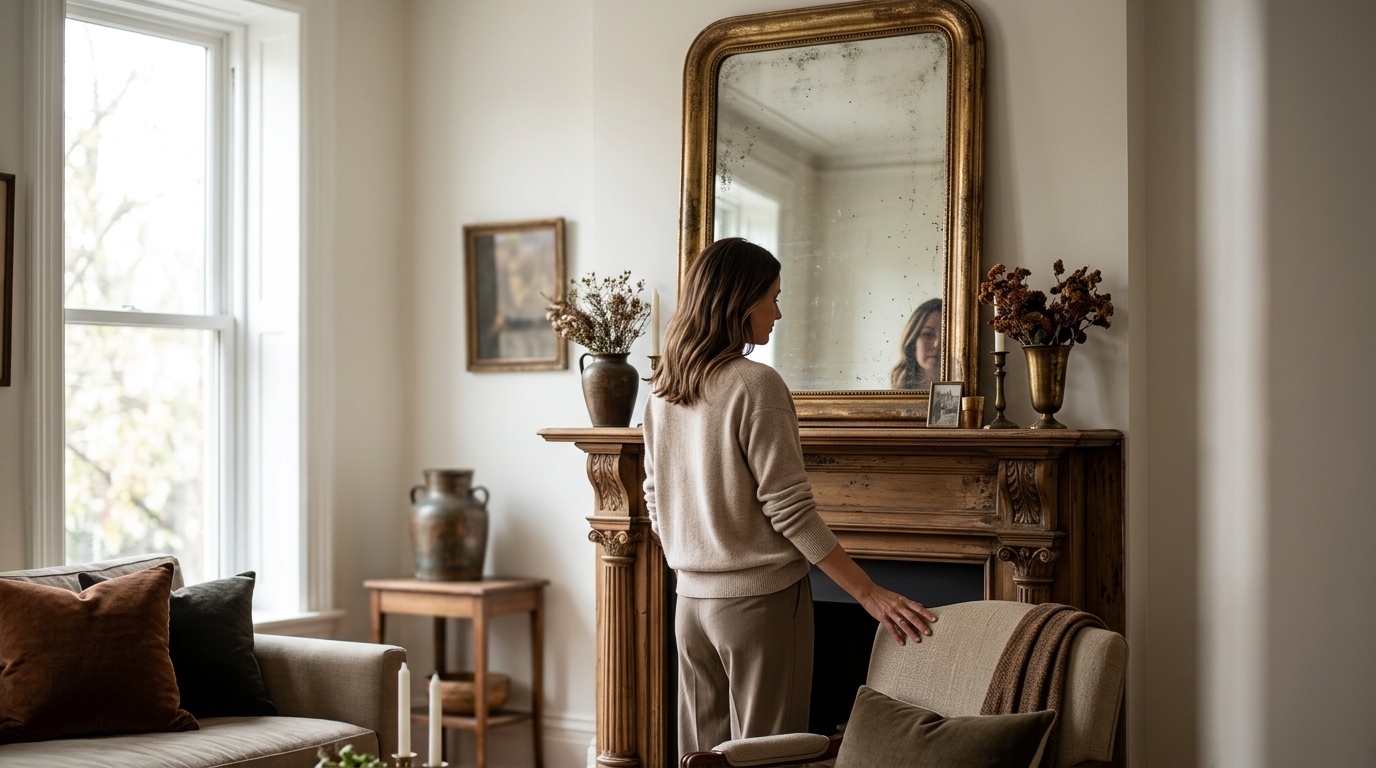
Choosing the Right Vintage Focal Point for Your Living Room
Selecting the right vintage focal point requires balancing scale, era, and placement to anchor the room's visual weight. A strong focal point draws the eye immediately, creating a cohesive narrative that guides how you arrange surrounding furniture and decor. At Scarlet Tassel, we curate unique pieces that serve as the heart of a space, ensuring your living room feels intentional rather than cluttered.
Understanding the Role of a Focal Point
A focal point is the primary visual anchor in a room that captures attention and establishes the design theme. It is not merely a decorative object but a structural element that dictates the flow of the space. Without a clear anchor, a room can feel disjointed, with the eye wandering aimlessly from one item to another. For additional details, review the .
The most effective focal points are large enough to command attention but not so large that they overwhelm the room. For example, a mid-century modern console table or a substantial vintage mirror can serve this purpose. These items provide a sense of permanence and history, grounding the contemporary elements that might otherwise feel floaty or temporary. For additional details, review the Customer Experience.
Scale and Proportion
Scale is the first metric to evaluate when selecting a vintage piece. The item should be proportional to the wall space or floor area it occupies. A small antique frame on a massive blank wall will look lost, while an oversized armoire in a compact room will feel oppressive. Measure your space before shopping to ensure the piece fits both physically and visually.
Identifying the Era and Style
Vintage style is a design approach that incorporates items from previous decades to create a layered, lived-in aesthetic. It is distinct from antique, which typically refers to items over 100 years old, and from retro, which mimics past styles with new materials. Understanding these distinctions helps you choose pieces that align with your desired atmosphere.
Material and Finish
The material of the focal point influences the room's texture and warmth. Wood tones, such as walnut or teak, add natural warmth, while metal and glass introduce a cooler, more industrial feel. Choose materials that complement the existing palette of your living room to avoid visual conflict.
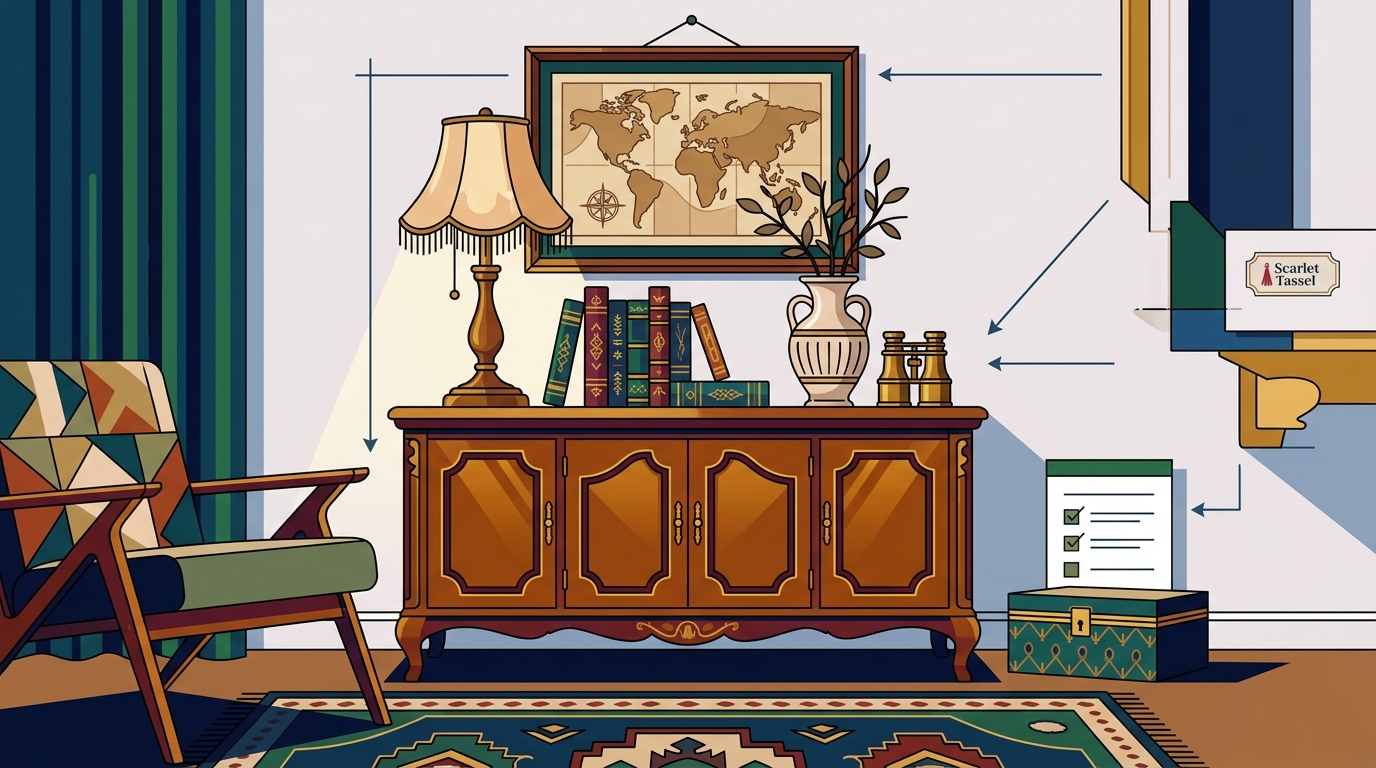
Placement and Lighting Strategies
Lighting plays a critical role in highlighting the focal point. A dedicated light source, such as a floor lamp or a track light, can draw the eye to the piece and enhance its details. Avoid placing the focal point in a shadowed corner where it will be overlooked. Instead, position it where natural or artificial light can accentuate its features.
Creating Visual Balance
Balance is the distribution of visual weight in a room to create a sense of stability. A large focal point on one side of the room may require a smaller, lighter element on the opposite side to maintain equilibrium. This balance can be achieved through furniture placement, artwork, or even the color of the walls.
Curating a Cohesive Narrative
Cohesion is the principle of ensuring that all elements in a room work together to create a unified look. It is the state of being consistent and harmonious in design. A focal point should not exist in isolation; it should inspire the selection of surrounding items, such as rugs, cushions, and side tables.
Think of the focal point as the protagonist of your room's story. The other items are the supporting cast. They should complement the protagonist without stealing the spotlight. For instance, if your focal point is a rustic wooden bench, choose soft textiles and neutral tones for the surrounding furniture to let the wood grain shine.
Personal Connection
Personal connection is the emotional bond you have with a specific item, which adds authenticity to your design. A vintage piece that holds sentimental value or tells a story can make your living room feel more personal and inviting. Choose a focal point that resonates with you, as this passion will be evident in the overall design.
Key Takeaways
- A focal point is the primary visual anchor that establishes the room's theme and flow.
- Scale and proportion are critical; the piece must fit the physical space and visual weight.
- Understanding the difference between vintage, antique, and retro helps in selecting the right era.
- Placement and lighting are strategic tools that highlight the focal point and create balance.
- Cohesion ensures that the focal point and surrounding elements work together harmoniously.
- Personal connection adds authenticity and makes the space feel uniquely yours.
Frequently Asked Questions
What is the best size for a vintage focal point?
The best size depends on the room's dimensions. A general rule is that the focal point should occupy about one-third of the wall space or be proportional to the main furniture piece it accompanies. Measure your space to ensure the item fits without overwhelming the room.
Can I mix different eras in one room?
Yes, mixing eras can create a dynamic and layered look. The key is to find common threads, such as a shared color palette or material, to tie the pieces together. This approach prevents the room from feeling chaotic.
How do I light a vintage focal point?
Use a dedicated light source, such as a floor lamp or a picture light, to highlight the piece. Position the light to accentuate the item's details and create a warm, inviting glow. Avoid harsh overhead lighting that can wash out the piece's features.
Where should I place the focal point in the room?
Place the focal point where the eye naturally lands, such as above a sofa or against a blank wall. Ensure it is visible from the main seating area and not blocked by other furniture. This placement ensures the piece serves as the room's anchor.
How do I maintain a vintage focal point?
Regular dusting and gentle cleaning are essential to preserve the piece's condition. Use appropriate cleaning products for the material, such as wood polish for wooden items or a soft cloth for glass. Avoid harsh chemicals that can damage the finish.
Final Thoughts
Choosing the right vintage focal point is a process of balancing scale, style, and placement to create a cohesive and inviting living room. By understanding the role of a focal point and applying strategic design principles, you can transform your space into a harmonious and personal sanctuary. Explore the curated collections at Scarlet Tassel to find the perfect piece that anchors your living room and tells your story.