
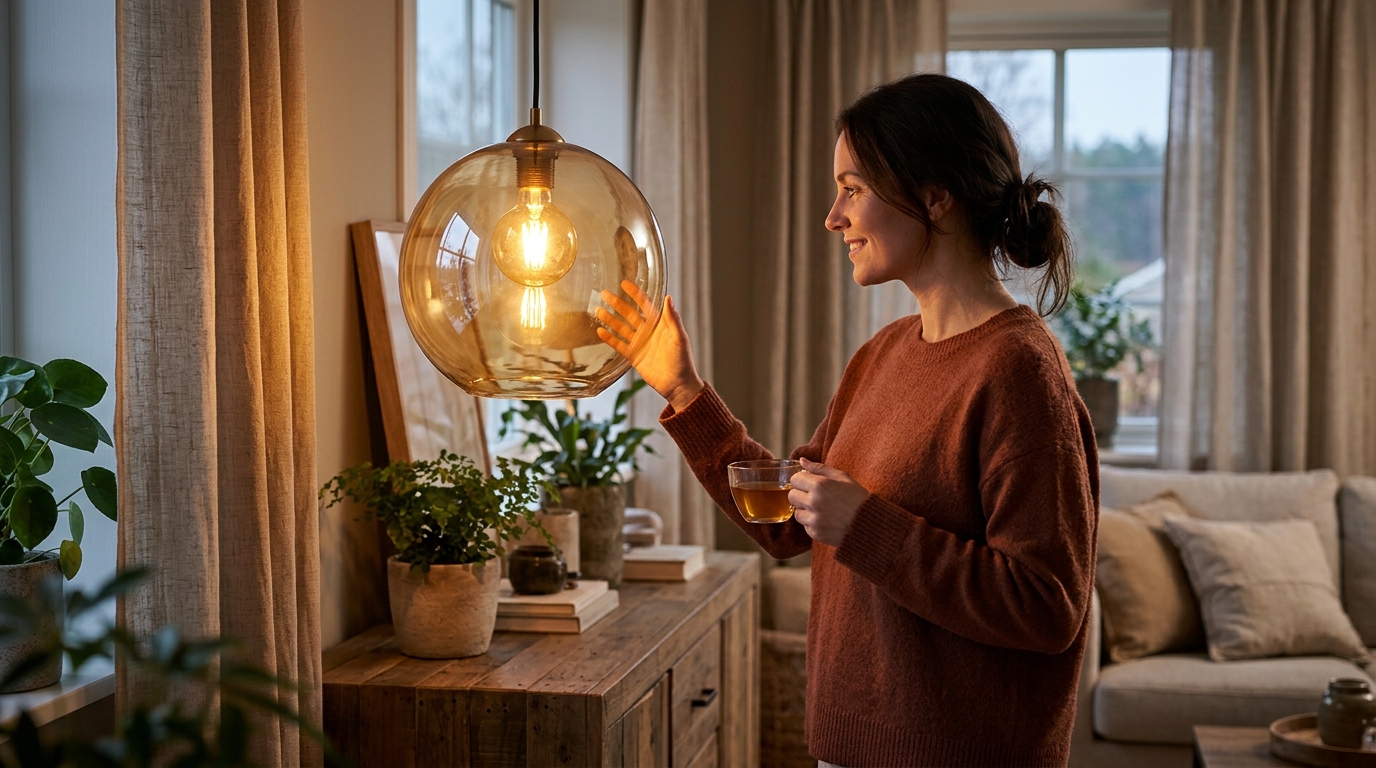
Decorative light fixtures serve as dual-purpose tools that enhance visibility while injecting specific hues into a room's atmosphere. By manipulating light temperature and intensity, these elements transform flat spaces into dynamic environments. At Scarlet Tassel, we curate home accents that work in harmony with your lighting to create a cohesive, inviting aesthetic. according to Improve Your Home
Understanding Light Temperature and Mood
The color of light is measured in Kelvin, a scale that dictates the emotional tone of a room. Warm white light, typically ranging from 2700K to 3000K, emits a yellowish glow that promotes relaxation and comfort. This temperature is ideal for living rooms and bedrooms where you want to unwind. Conversely, cool white light, ranging from 4000K to 5000K, provides a crisp, energizing effect suitable for kitchens and workspaces. Choosing the right temperature is the first step in colorizing your space without relying on paint.
Light temperature is a critical variable in interior design because it alters how we perceive other colors in the room. A warm bulb can make a blue wall look muddy, while a cool bulb can make a yellow accent feel sterile. Understanding this interaction allows you to select fixtures that complement your existing decor rather than clash with it.
Using Colored Glass and Diffusers
One of the most effective ways to add color to a room is through the fixture itself. Colored glass shades and diffusers filter the light source, casting a specific hue across the walls and furniture. For example, a fixture with amber glass can create a cozy, sunset-like ambiance in a dining area. This technique allows you to change the room's color palette simply by swapping out the shade or bulb.
At Scarlet Tassel, we feature decorative pieces that often incorporate glass elements, such as our textured glass candles. While these are not electric fixtures, they demonstrate how glass texture and color interact with light to create visual interest. Applying this principle to electric lighting, you can use colored diffusers to achieve a similar effect on a larger scale.
Layering Light for Depth and Dimension
Effective lighting design relies on layering, which involves combining ambient, task, and accent lighting. Ambient light provides the overall illumination for a room, while task lighting focuses on specific activities like reading or cooking. Accent lighting highlights architectural features or artwork, adding depth and dimension. By layering these sources, you create a three-dimensional feel that flat, single-source lighting cannot achieve.
Each layer serves a distinct purpose in brightening the space. Ambient lighting ensures you can see clearly, task lighting reduces eye strain, and accent lighting adds visual interest. When you combine these layers, the room feels more dynamic and engaging. This approach is particularly useful in open-plan spaces where different zones require different lighting intensities.
Smart Lighting and Dynamic Color Control
Smart lighting technology has revolutionized the way we colorize our spaces. These systems allow you to adjust the color temperature and hue of your lights via a smartphone app or voice command. You can program scenes that transition from bright, cool light in the morning to warm, dim light in the evening. This flexibility means you can change the mood of a room instantly without any physical alterations.
The ability to control light dynamically offers a level of customization that traditional fixtures cannot match. You can sync your lighting with music, movies, or even the time of day. This technology is particularly useful for those who enjoy experimenting with different color palettes. It turns lighting into an interactive element of your home design.
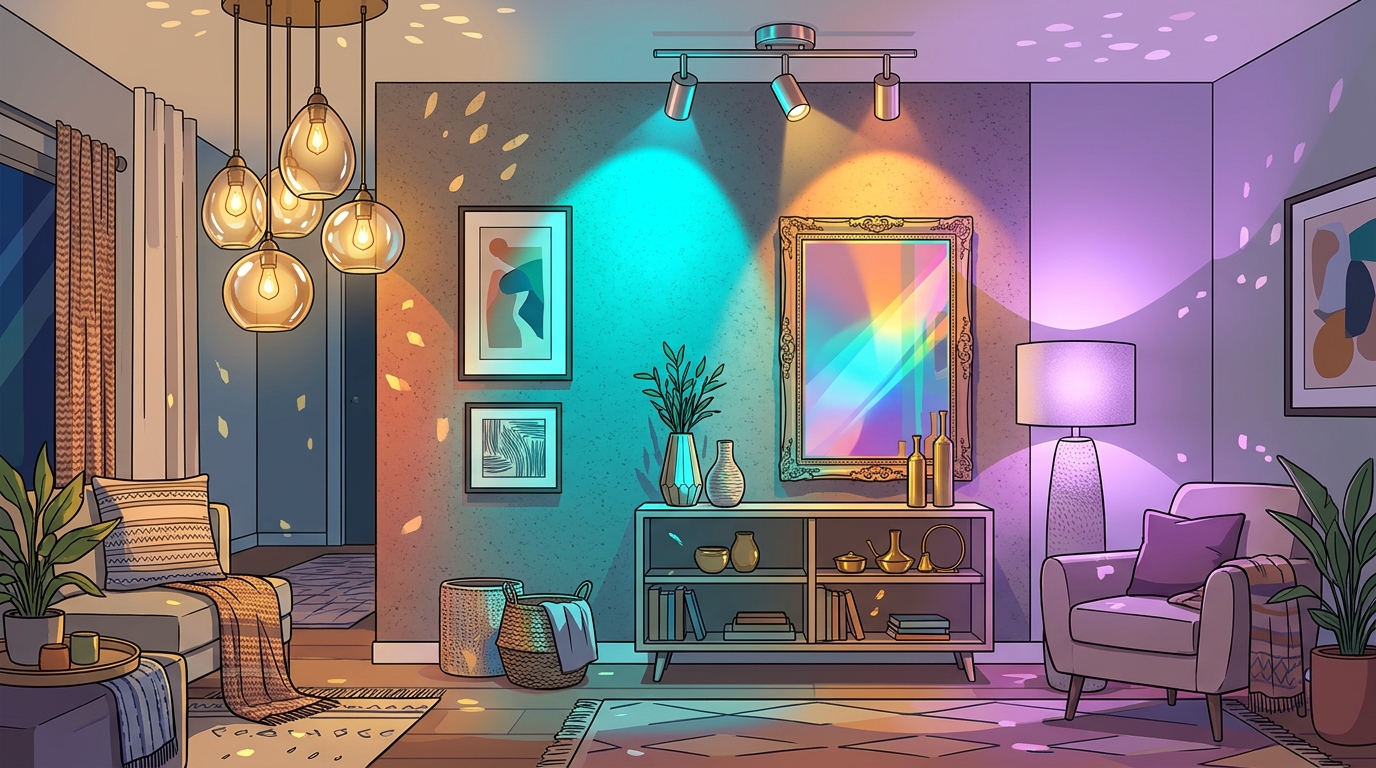
Integrating Fixtures with Home Decor
Light fixtures should not exist in isolation; they must work in harmony with your overall decor. The style of the fixture, the color of the light, and the placement of the fixture all contribute to the room's aesthetic. For instance, a modern, minimalist fixture pairs well with cool white light, while a vintage, ornate fixture complements warm white light. Ensuring this harmony creates a cohesive look that feels intentional and polished.
When selecting fixtures, consider the existing colors in the room. If your space features neutral tones, you have more freedom to experiment with colored light. If your room is already vibrant, stick to neutral light temperatures to avoid overwhelming the senses. At Scarlet Tassel, we offer a wide range of home decor items that can help you balance your lighting choices with your overall design.
Key Takeaways
- Light temperature, measured in Kelvin, significantly impacts the mood and perceived color of a room.
- Colored glass shades and diffusers are effective tools for adding specific hues to a space.
- Layering ambient, task, and accent lighting creates depth and dimension in a room.
- Smart lighting systems offer dynamic control over color and intensity, allowing for instant mood changes.
- Light fixtures should be chosen to complement the existing decor and color palette of the room.
- Warm light promotes relaxation, while cool light enhances focus and energy.
Frequently Asked Questions
What is the best light temperature for a living room?
Warm white light, typically between 2700K and 3000K, is generally best for living rooms as it creates a cozy and relaxing atmosphere.
Can I use colored bulbs in a dining room?
Yes, but use them sparingly. Colored bulbs can be distracting if used for primary lighting. They work well as accent lights or in specific fixtures designed for color.
How do I layer lighting in a small room?
In a small room, focus on a combination of ambient and accent lighting. Use a central fixture for overall brightness and add small accent lights to highlight specific areas or objects.
Do smart bulbs work with any fixture?
Most smart bulbs are designed to fit standard sockets, so they work with most fixtures. However, ensure the fixture is compatible with the wattage of the smart bulb.
How can I change the color of a room without painting?
You can change the perceived color of a room by adjusting the light temperature and using colored shades or diffusers on your light fixtures.
Conclusion
Decorative light fixtures are powerful tools for brightening and colorizing your space. By understanding light temperature, using colored diffusers, and layering different types of lighting, you can transform any room. Smart lighting adds an extra layer of flexibility, allowing you to adjust the mood instantly. At Scarlet Tassel, we are committed to helping you find the perfect balance between light and decor. Visit our contact page to learn more about how we can help you design a space that feels uniquely yours.