
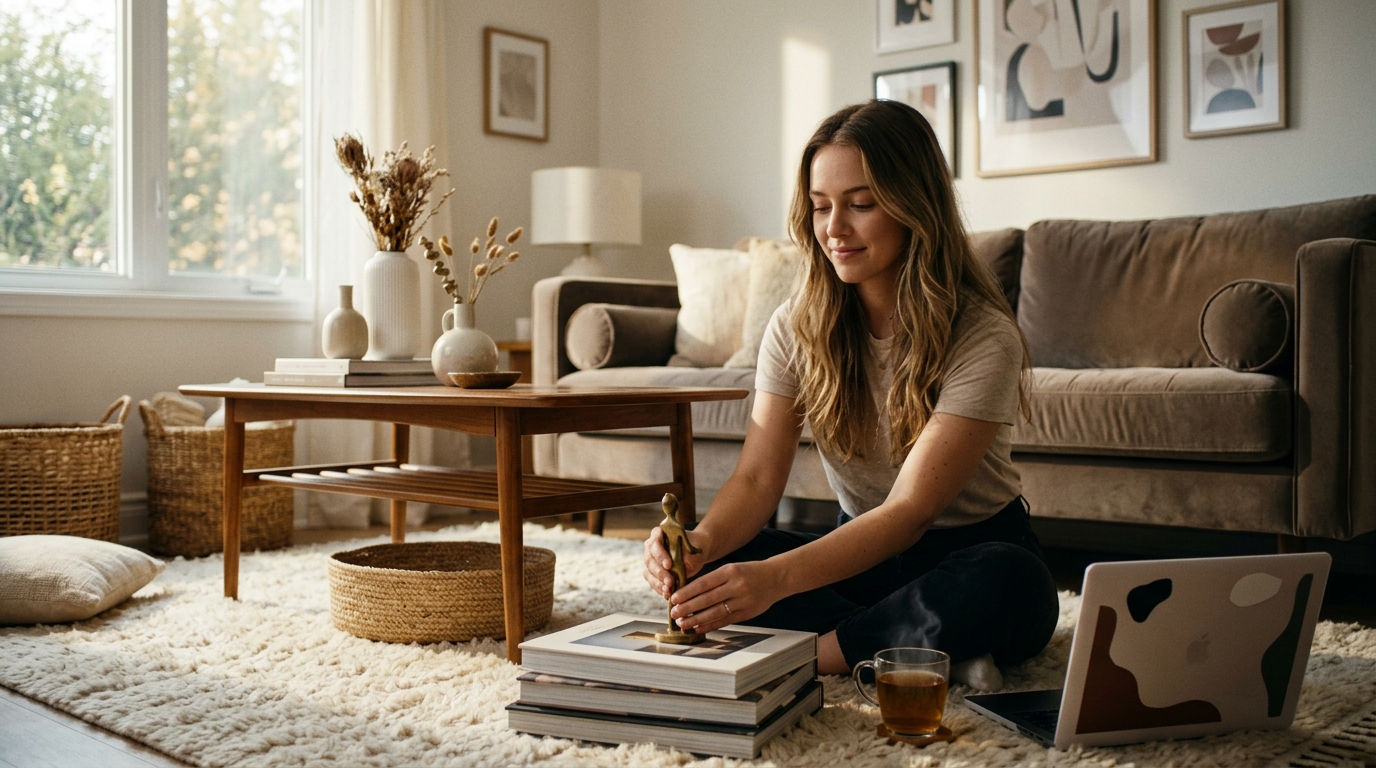
Home decor is not merely about filling space with objects. It is the intentional curation of environment to reflect identity and function. According to recent industry analysis, the global home decor market is projected to reach significant valuation milestones in the coming years, driven by a surge in DIY enthusiasts and first-time homeowners seeking to personalize their living spaces. This growth highlights a critical need for clear, accessible design education. Beginners often feel overwhelmed by the sheer volume of styles and trends. The key to success lies in understanding the core elements that define each aesthetic. By mastering these fundamentals, you can create a cohesive home that feels both curated and comfortable. This guide breaks down the essential components of beginner-friendly decor styles, helping you build a foundation that lasts.
Foundational Design Elements
Before diving into specific styles, it is crucial to understand the building blocks of interior design. These elements apply universally, regardless of whether you prefer sleek lines or rustic charm. Mastering these concepts will prevent common beginner mistakes, such as clutter or visual imbalance.
Color Theory and Palette
Color sets the emotional tone of a room. For beginners, the 60-30-10 rule is an invaluable tool. This principle suggests that 60% of the room should be a dominant color, 30% a secondary color, and 10% an accent color. This creates balance and prevents the space from feeling chaotic. A neutral base allows for easy updates through accessories. Scarlet Tassel offers curated home accents that can serve as that perfect 10% accent, adding personality without overwhelming the space.
Texture and Materiality
Texture adds depth and interest to a room. Without varied textures, a space can feel flat and sterile. Combining smooth surfaces like glass or metal with rougher materials like wood, wool, or ceramic creates visual weight. This interplay is what makes a home feel lived-in and inviting. Natural materials are particularly effective for beginners because they age gracefully and require less maintenance than synthetic alternatives.
Scale and Proportion
Scale refers to the size of an object in relation to the room and other objects. A common mistake is choosing furniture that is too small for a large room or too large for a small space. Proper proportion ensures that the room feels balanced and functional. Always measure your space before purchasing. Thoughtful accessory selection can also help fill vertical space without cluttering the floor.
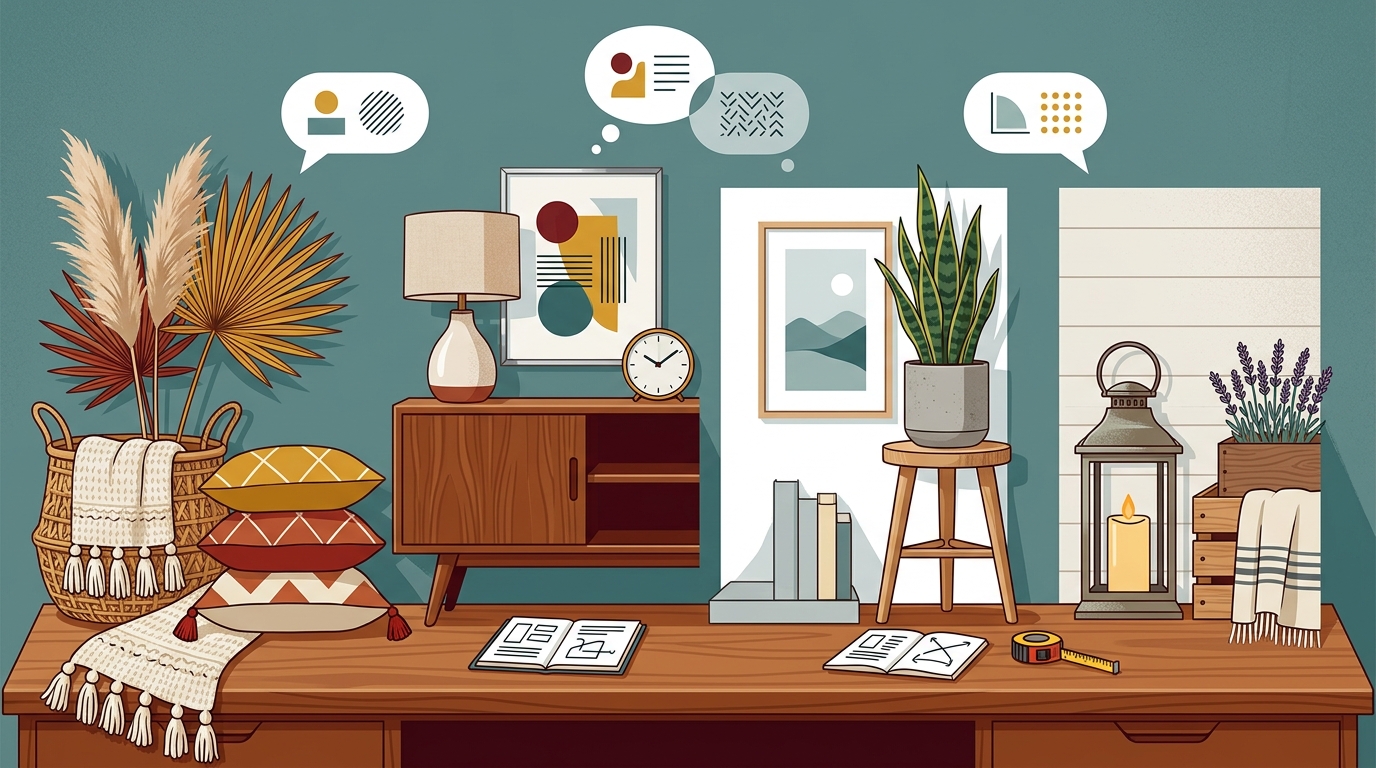
Modern Minimalism: Less is More
Modern minimalism is defined by simplicity, clean lines, and a monochromatic color palette. This style appeals to those who value order and tranquility. The goal is to remove the unnecessary and keep only what serves a purpose or brings joy.
Key Characteristics
The hallmark of modern minimalism is the absence of clutter. Furniture is functional and often multi-purpose. Decorative items are sparse but intentional. Each piece must earn its place in the room. This style relies heavily on negative space, allowing the eye to rest. It is not about having nothing, but about having only what matters.
Beginner Tips for Minimalism
Start by decluttering. Remove items that do not serve a function or bring aesthetic pleasure. Choose furniture with simple silhouettes. Avoid ornate details or busy patterns. Incorporate natural light to enhance the sense of space. When adding decor, choose high-quality pieces that stand out. Scarlet Tassel's home decor collection includes minimalist pieces that align with this aesthetic, such as clean-lined trays and simple ceramic accents.
Bohemian Eclectic: Color and Texture
Bohemian, or "boho," style is characterized by a free-spirited, eclectic mix of patterns, colors, and textures. It draws inspiration from global travel and artistic expression. This style is forgiving for beginners because it encourages personal expression over strict rules.
Key Characteristics
Boho decor embraces layering. Think layered rugs, throw pillows, and textiles. Colors are often rich and earthy, with pops of vibrant hues. Patterns are mixed boldly, from geometric to floral. Natural materials like rattan, wicker, and wood are essential. Plants are a staple, bringing life and color to the space.
Beginner Tips for Boho
Start with a neutral base and add color through textiles. Mix patterns gradually, ensuring they share at least one common color to maintain cohesion. Incorporate vintage or handmade items for character. Don't be afraid to layer textures. Seasonal decor collections can provide fresh, thematic accents that fit well within a boho framework, such as festive pillows or decorative trays.
Farmhouse and Rustic: Warmth and Nature
Farmhouse and rustic styles celebrate the beauty of the natural world and traditional craftsmanship. This aesthetic is warm, inviting, and deeply connected to heritage. It is particularly popular in regions with strong agricultural histories.
Key Characteristics
Rustic decor features raw, unfinished materials like reclaimed wood and stone. Colors are inspired by nature, such as greens, browns, and creams. Furniture is often sturdy and functional, with a focus on durability. Decorative elements include vintage finds, botanical prints, and handmade crafts. The overall feel is cozy and unpretentious.
Beginner Tips for Rustic
Incorporate natural wood tones through furniture or flooring. Add texture with woven baskets and linen textiles. Use vintage accessories to add history and character. Keep the color palette soft and muted. Scarlet Tassel's barware and serving trays often feature rustic designs that complement this style perfectly, adding both function and aesthetic appeal.
Comparing Beginner Styles
Choosing the right style can be challenging. The table below summarizes the key differences between the three beginner-friendly styles discussed. Use this as a quick reference guide to determine which aesthetic resonates with your personal taste.
| Style | Core Philosophy | Key Materials | Color Palette | Best For |
|---|---|---|---|---|
| Modern Minimalism | Simplicity and function | Glass, metal, smooth wood | Monochromatic, neutrals | Small spaces, low maintenance |
| Bohemian Eclectic | Personal expression and layering | Rattan, textiles, plants | Rich, earthy, vibrant accents | Creative individuals, large spaces |
| Farmhouse/Rustic | Warmth and tradition | Reclaimed wood, stone, linen | Nature-inspired, muted tones | Cozy, inviting environments |
Key Takeaways
- Understanding the 60-30-10 color rule helps create balanced and harmonious interiors.
- Texture is essential for adding depth and preventing a space from feeling flat.
- Modern minimalism focuses on clean lines and intentional clutter-free living.
- Bohemian style encourages bold patterns and layered textiles for a personal touch.
- Farmhouse decor relies on natural materials and a warm, inviting color palette.
- Scale and proportion are critical for ensuring furniture fits the space correctly.
- Scarlet Tassel provides curated accessories that can enhance any of these beginner styles.
Frequently Asked Questions
What is the first step in choosing a home decor style?
The first step is to identify what resonates with you emotionally. Look at images of homes online and note which ones make you feel calm, inspired, or cozy. This emotional response is a strong indicator of your preferred aesthetic.
Can I mix different decor styles?
Yes, mixing styles is known as eclecticism. The key is to find a unifying element, such as a consistent color palette or material, to tie the different styles together. This prevents the space from looking disjointed.
How do I avoid clutter in a small home?
Focus on multifunctional furniture and vertical storage. Keep surfaces clear and choose decor items that are both beautiful and useful. Minimalist principles can be particularly effective in small spaces.
What are the best materials for beginner home decor?
Natural materials like wood, cotton, and linen are excellent choices. They are durable, timeless, and easy to work with. They also age well, adding character to your home over time.
How often should I update my home decor?
There is no fixed rule. Some people update seasonally, while others prefer a more static environment. Focus on making changes that bring you joy and improve your daily living experience.
Where can I find affordable decor accessories?
Online retailers like Scarlet Tassel offer curated, high-quality accessories at accessible price points. Look for sales and seasonal collections for the best deals.
What is the importance of lighting in home decor?
Lighting sets the mood and highlights key features. Use a mix of ambient, task, and accent lighting to create depth and functionality. Natural light is also crucial for a healthy and inviting space.
Start Your Decor Journey
Designing your home is a personal and rewarding process. By understanding the essential elements of beginner decor styles, you can create a space that truly reflects who you are. Whether you lean towards the clean lines of minimalism, the vibrant layers of boho, or the warmth of rustic charm, the key is to start small and build intentionally. Explore our curated collections to find the perfect accents for your new style. Visit Scarlet Tassel today to discover unique pieces that will elevate your home decor journey.