
Common Vintage Styling Mistakes in Living Rooms and How to Fix Them
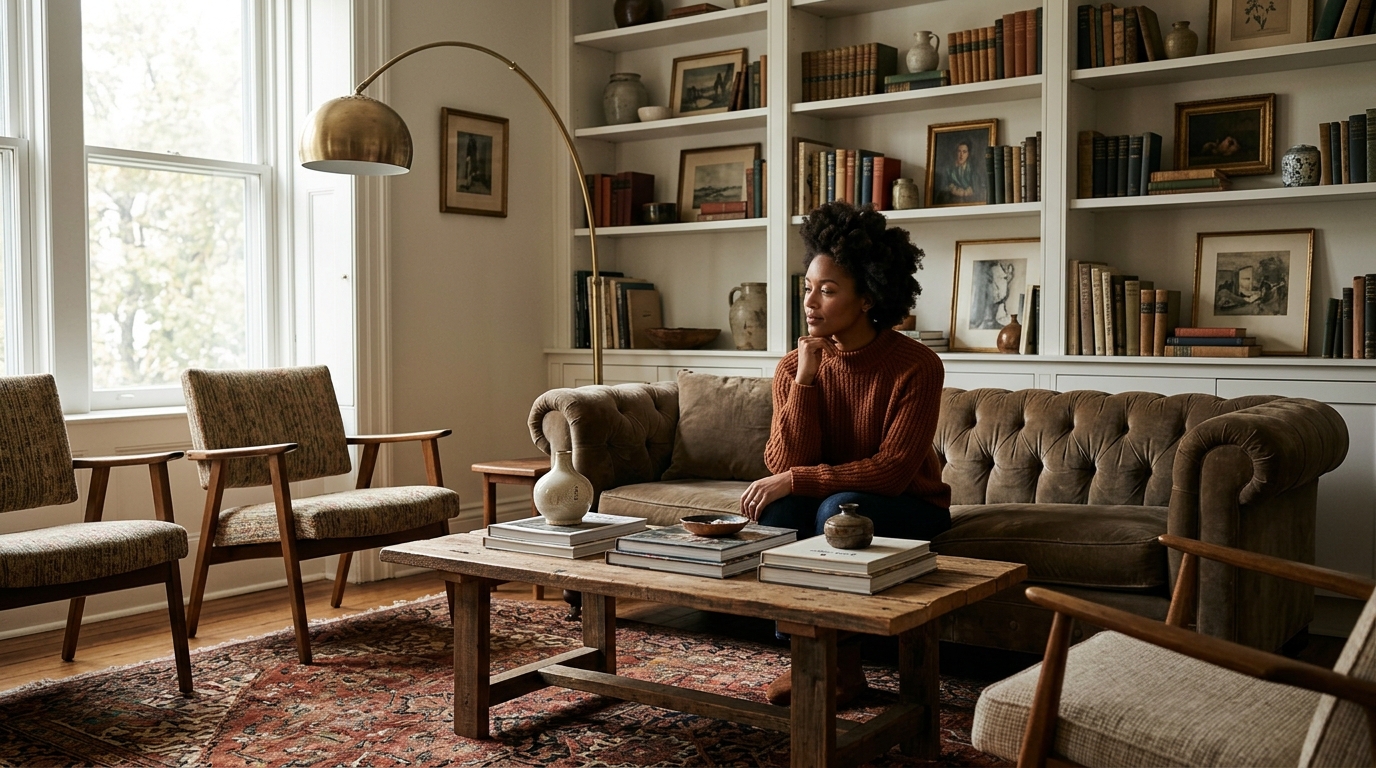
Creating a living room that feels authentically vintage requires more than just buying old furniture. It demands a keen eye for proportion, texture, and history. Many homeowners fall into the trap of cluttering their spaces with random antiques, resulting in a look that feels chaotic rather than curated. According to recent interior design trends, vintage decor trends are shifting toward intentional eclecticism rather than period-perfect replication. This guide will help you navigate those pitfalls and create a space that honors the past while feeling fresh and livable today. (For The Bar ndash)
Mistake 1: The "All or Nothing" Period Trap
One of the most common errors is attempting to recreate a specific historical era perfectly. Whether it is strict Victorian, mid-century modern, or farmhouse, trying to match every piece to a single decade often results in a museum-like atmosphere that lacks warmth. This approach ignores the reality that vintage items were made over different time periods and rarely coexist in perfect harmony.
The Fix: Embrace Eclectic Layering. Instead of forcing a single era, blend pieces from different decades. A mid-century sofa can look stunning against a Victorian-style mirror. The key is to find a unifying element, such as a consistent wood tone or a recurring metal finish, to tie the disparate eras together. This creates a layered, collected-over-time look that feels organic and inviting.
For inspiration on mixing eras, explore our home decor collections which feature curated items from various styles.
Mistake 2: Ignoring Scale and Proportion
Vintage furniture often has a substantial presence. A common mistake is placing a massive, ornate antique cabinet in a small living room, which overwhelms the space and makes it feel cramped. Conversely, tiny delicate pieces in a large room can get lost and look insignificant. Proportion is the silent language of interior design, and getting it wrong disrupts the visual balance of the room.
The Fix: Measure Twice, Buy Once. Before purchasing any vintage item, measure your space meticulously. Leave adequate walking space around furniture, typically at least 30 inches for main walkways. Use a large sofa as an anchor and balance it with appropriately sized side tables and lamps. If you have a large room, do not be afraid to use a few larger statement pieces rather than filling the space with many small items.
Mistake 3: Overlooking Texture and Material Mix
Many vintage styling mistakes stem from a lack of textural variety. A room filled entirely with dark wood and heavy fabrics can feel somber and dated. Vintage pieces often come with their own inherent textures, such as the grain of oak, the weave of linen, or the shine of brass. Ignoring how these materials interact with modern elements can create a disjointed aesthetic.
The Fix: Introduce Contrast. Mix smooth, modern surfaces with rough, vintage textures. For example, pair a distressed wooden coffee table with a sleek glass-top side table or a plush velvet throw. Incorporate natural elements like plants or woven baskets to soften the hardness of antique wood and metal. This interplay of light and shadow, smooth and rough, adds depth and interest to the room.
Discover unique textural accents in our seasonal home decor section, where you can find items that add both color and tactile variety.
Mistake 4: Neglecting Modern Comfort and Function
Vintage furniture is often designed for a different lifestyle. A beautiful 1920s armchair might look incredible but offer zero lumbar support. Similarly, antique tables may not have enough surface area for modern living, such as placing laptops or coffee cups. Prioritizing aesthetics over functionality can lead to a living room that is beautiful but impractical for daily use.
The Fix: Prioritize Ergonomics. When shopping for vintage pieces, test them for comfort. Sit on sofas and chairs to ensure they are supportive. If you love the look of a vintage piece but find it uncomfortable, consider reupholstering it with modern, durable fabrics that offer better support. Use vintage items as accent pieces rather than the primary functional furniture if they lack modern ergonomics.
Mistake 5: Poor Lighting and Color Palette Choices
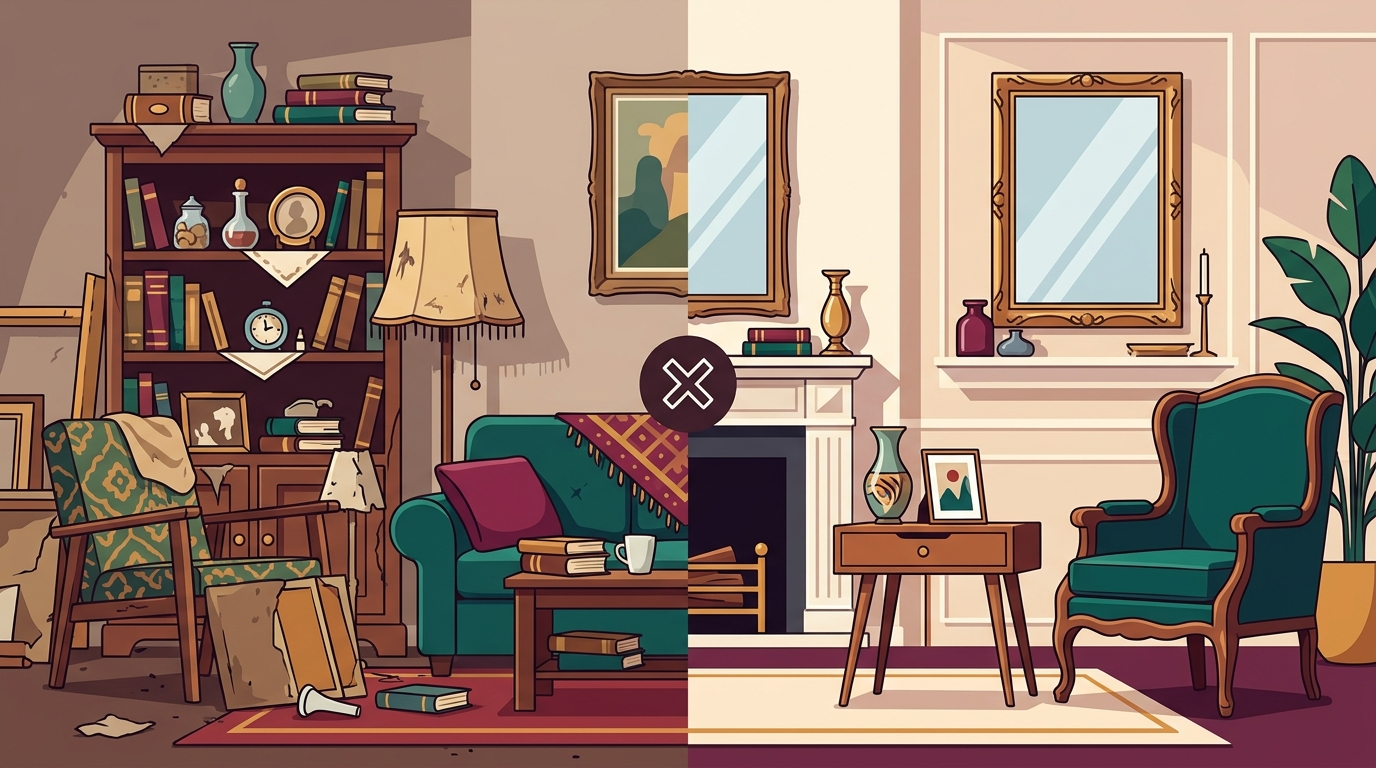
Lighting can make or break a vintage look. Using only harsh, modern overhead lighting can flatten the details of antique furniture and make the room feel sterile. Additionally, choosing a color palette that clashes with the vintage pieces can create visual discord. Dark, heavy woods require lighter walls to breathe, while pastel antiques need grounding with deeper tones.
The Fix: Layer Your Lighting. Use a combination of ambient, task, and accent lighting. Table lamps with vintage-style shades can highlight the details of sideboards or bookshelves. Warm-toned bulbs (2700K-3000K) enhance the richness of wood and brass. For color, choose a neutral base for walls and large furniture, then use vintage accessories to add pops of color. This allows the antiques to shine without overwhelming the space.
Enhance your lighting setup with our curated home accessories that complement both modern and vintage aesthetics.
Key Takeaways
- Avoid Period Perfection: Blend items from different decades to create an eclectic, lived-in feel rather than a museum display.
- Respect Scale: Always measure your space to ensure vintage furniture fits proportionally without overwhelming the room.
- Mix Textures: Combine smooth modern surfaces with rough vintage materials to add depth and visual interest.
- Prioritize Comfort: Do not sacrifice ergonomics for aesthetics; reupholster or use vintage pieces as accents if needed.
- Layer Lighting: Use warm, layered lighting to highlight the details and warmth of antique wood and metal.
- Curate, Don't Clutter: Select a few statement vintage pieces rather than filling every surface with small items.
- Use Color Wisely: Let vintage accessories provide color against a neutral backdrop to maintain balance.
Frequently Asked Questions
How do I mix vintage and modern furniture without it looking chaotic?
The key is to find a unifying element, such as a consistent color palette, wood tone, or metal finish. Start with a modern base for large furniture and add vintage pieces as accents to create balance.
What is the best way to care for antique wood furniture?
Antique wood should be cleaned with a soft, dry cloth and treated with a high-quality wax or polish designed for antiques. Avoid harsh chemicals and direct sunlight to prevent fading and drying.
Can I use vintage rugs in a modern living room?
Yes, vintage rugs are excellent for adding texture and history to modern spaces. Look for rugs with faded patterns or neutral tones that complement your modern furniture without competing with it.
How do I know if a vintage piece is authentic?
Look for signs of wear consistent with age, such as uneven patina on metal or wear on wood edges. Check for maker's marks or labels, and consult with an expert if you are unsure about the provenance.
What is the best lighting for highlighting vintage decor?
Warm-toned LED bulbs (2700K-3000K) are ideal for highlighting the richness of wood and brass. Use adjustable track lighting or picture lights to focus on specific vintage pieces.
How many vintage pieces are too many for a living room?
There is no strict rule, but a good guideline is to aim for a 70/30 or 80/20 split between modern and vintage. This ensures the room feels balanced and not overly cluttered.
Where can I find high-quality vintage home decor online?
Look for reputable online retailers that specialize in curated vintage and antique items. Check for detailed descriptions, high-resolution photos, and customer reviews to ensure quality.
Start Your Vintage Journey
Transforming your living room into a vintage-inspired sanctuary is a rewarding process that blends history with modern comfort. By avoiding common styling mistakes and focusing on proportion, texture, and thoughtful curation, you can create a space that is both beautiful and functional. Explore our extensive collection of unique home decor and accessories to find the perfect pieces for your home. Visit Scarlet Tassel today to begin curating your own timeless living space.