
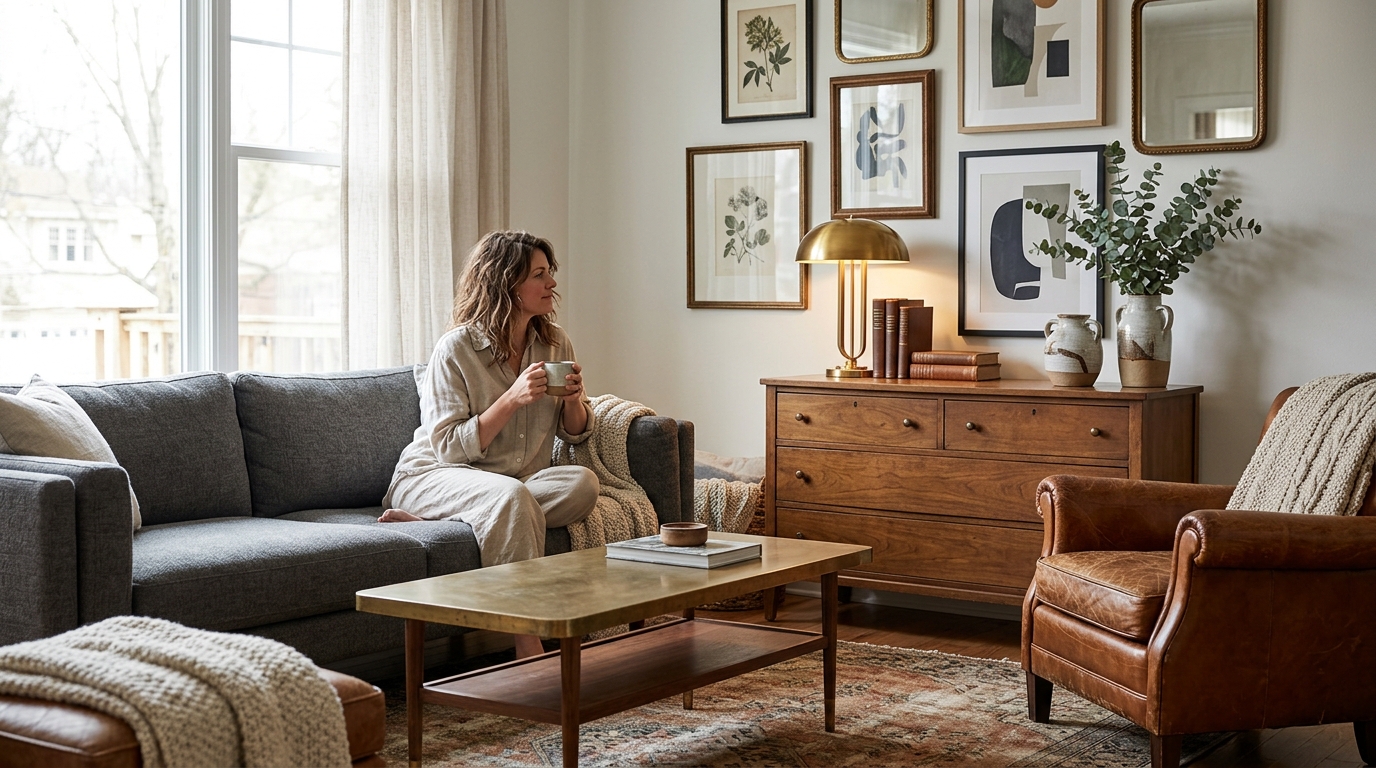
Integrating vintage decor into a modern living space is not merely about filling empty shelves with old objects. It is a deliberate design strategy that adds depth, history, and character to a home. According to recent interior design trends, homeowners are increasingly prioritizing unique, sustainable pieces over mass-produced furniture to create spaces that feel personal and lived-in. This approach transforms a standard room into a curated gallery of memories and style. The process requires a balance of old and new to prevent the space from feeling like a museum or a cluttered antique shop. (For The Bar ndash)
Establishing the Foundation
Before purchasing a single vintage item, you must evaluate the structural integrity of your living room. Vintage styling relies on contrast. If your walls, floors, and ceiling are starkly modern, the vintage pieces will pop. If the room is already heavily traditional, you need to introduce modern elements to keep it from feeling dated. The foundation of any successful vintage room is a neutral backdrop. This allows the textures and colors of the antique pieces to take center stage without competing with busy wallpaper or bold paint colors. (For The Game ndash)
Start by clearing the space of any items that do not serve a functional or aesthetic purpose. Vintage styling is about curation, not accumulation. A cluttered room with vintage items feels chaotic. A curated room feels intentional. Consider the flow of traffic and the focal point of the room. Whether it is a fireplace, a large window, or a television, the vintage furniture should be arranged to complement this focal point rather than distract from it. This strategic placement ensures that the room feels balanced and inviting.
Defining the Color Palette
Vintage pieces often come with their own inherent color stories. A mid-century modern sofa might have muted earth tones, while a Victorian chair might feature rich jewel tones. Your goal is to create a cohesive palette that ties these disparate elements together. Do not be afraid of color, but be disciplined about it. Choose two or three dominant colors that appear in your vintage finds and repeat them in your textiles, such as throw pillows and rugs.
For example, if you have a vintage rug with hints of rust and teal, use those colors in your accent chairs or artwork. This creates a visual thread that runs through the room, making the vintage pieces feel like they belong. Neutral tones like cream, beige, and soft gray are excellent anchors. They allow the vibrant colors of vintage ceramics or the dark wood tones of antique furniture to stand out. Avoid introducing too many competing colors, as this can make the space feel disjointed and overwhelming to the eye.
Selecting Key Vintage Furniture
Not every piece in your living room needs to be vintage. In fact, it is often more effective to have one or two statement vintage pieces surrounded by modern, simpler furniture. This technique, known as the "anchor and float" method, grounds the room while keeping it light and airy. A vintage wooden coffee table or an antique sideboard can serve as the anchor. These pieces draw the eye and provide a sense of history.
When selecting vintage furniture, prioritize quality and condition. Wood joints should be tight, and upholstery should be sturdy. If you are buying upholstered pieces, consider the durability of the fabric. Vintage velvet or leather can add immense luxury to a living room. However, ensure that the piece is structurally sound. You can always reupholster a chair, but you cannot easily fix a broken frame. Look for pieces with good bones. The patina of age is desirable, but significant damage is not. A well-crafted vintage piece will last for generations and add value to your home.
Layering with Accessories and Textiles
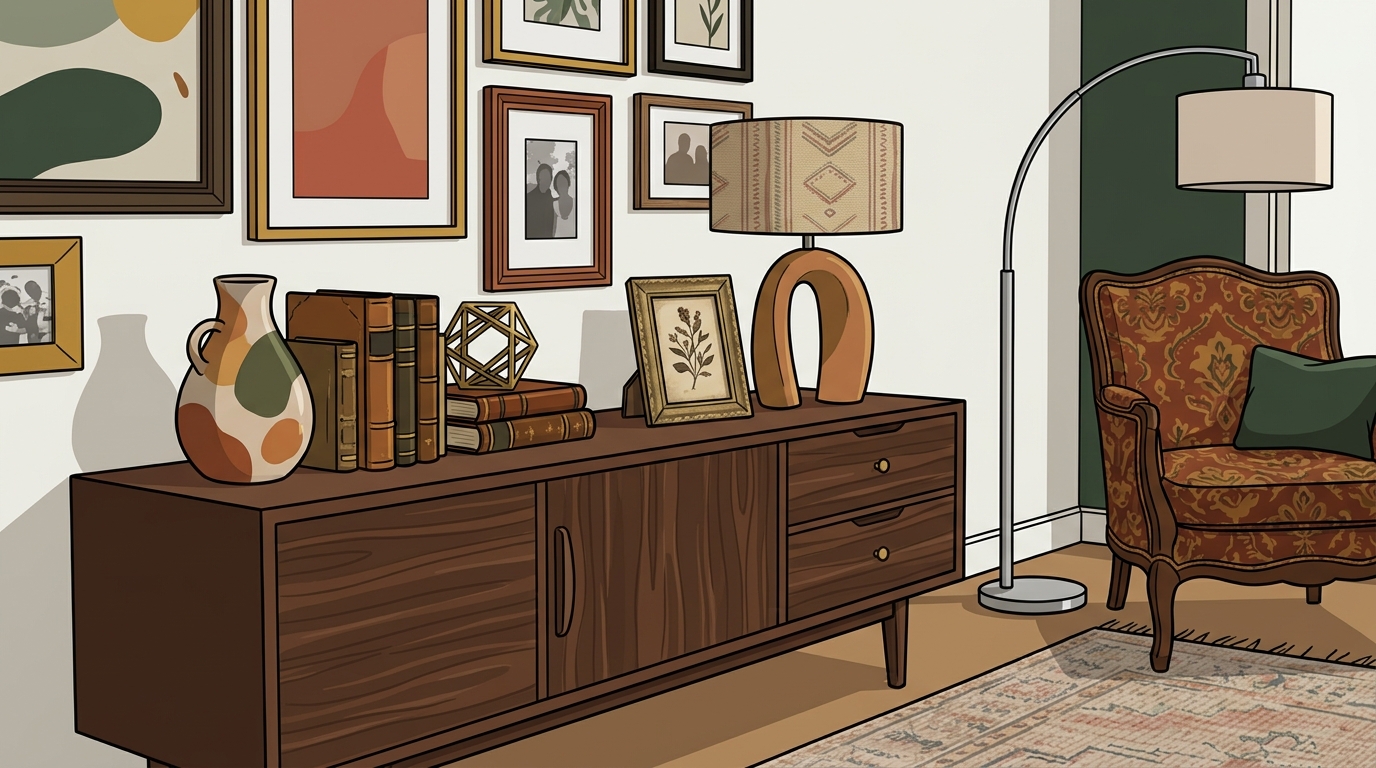
Accessories are the jewelry of your living room. They add the final touches that make the space feel complete and personal. Vintage accessories can include anything from old books and framed photographs to ceramic vases and brass candlesticks. The key is to group these items in odd numbers. A cluster of three or five items is more visually appealing than a symmetrical pair. This creates a natural, organic look that feels collected over time.
Textiles play a crucial role in softening the hard lines of vintage furniture. A chunky knit throw draped over a mid-century chair adds warmth and texture. Vintage linens, such as tablecloths or napkins, can be repurposed as pillow covers or wall hangings. This adds a layer of nostalgia and comfort. Consider the tactile experience of the room. Vintage items often have a unique texture that modern manufacturing cannot replicate. The roughness of a hand-thrown pot or the smoothness of worn wood invites touch and interaction.
The Role of Lighting in Vintage Styling
Lighting can make or break a vintage styling project. Harsh, overhead lighting can flatten the details of antique pieces and make them look dull. Instead, use layered lighting to highlight textures and create ambiance. Vintage lamps are a perfect addition to this strategy. A brass table lamp or a glass pendant light can add a touch of glamour and history to a side table or console.
Consider the color temperature of your bulbs. Warm white bulbs (2700K to 3000K) enhance the golden tones in wood and brass, making vintage pieces glow. Cool white bulbs can make the space feel sterile and clash with the warmth of antiques. Use dimmers to control the intensity of the light. This allows you to adjust the mood of the room for different occasions. Whether you are hosting a dinner party or reading a book, the right lighting can transform the atmosphere and highlight the beauty of your vintage collection.
Mixing Eras for Depth
One of the most sophisticated ways to style a living room with vintage pieces is to mix different eras. This prevents the room from looking like a time capsule of a single decade. A 1970s leather sofa can look stunning next to a 1920s art deco mirror. The contrast between the two styles creates visual interest and depth. It shows that you have a keen eye for design rather than just collecting items from one period.
When mixing eras, look for commonalities in shape, color, or material. A mid-century modern chair with clean lines can pair well with a Victorian sofa if they share a similar wood tone or fabric texture. This creates a subtle harmony that ties the disparate elements together. Avoid mixing too many competing styles. Stick to two or three distinct eras to maintain a cohesive look. The goal is to create a dialogue between the old and the new, not a shouting match.
Key Takeaways
- Curate, Don't Accumulate: Focus on quality over quantity. Each vintage piece should have a purpose and a place in the room.
- Use a Neutral Backdrop: Let the vintage items stand out by keeping walls and large furniture neutral.
- Anchor with Statement Pieces: Use one or two major vintage furniture items to ground the space.
- Layer Textiles: Incorporate vintage linens and throws to add warmth and texture.
- Highlight with Lighting: Use warm, layered lighting to enhance the details and patina of antiques.
- Mix Eras Strategically: Combine pieces from different decades to create depth and visual interest.
- Check Structural Integrity: Ensure vintage furniture is sound before purchasing to avoid costly repairs.
Frequently Asked Questions
How do I prevent a vintage living room from looking cluttered?
Prevent clutter by adhering to the "less is more" principle. Leave negative space around your vintage pieces. Group accessories in odd numbers and avoid filling every surface. Edit your collection regularly to keep the space feeling open and intentional.
Can I mix modern furniture with vintage decor?
Yes, mixing modern and vintage is highly recommended. It creates a dynamic contrast that keeps the space from feeling dated. Use modern furniture as a neutral base and let the vintage pieces serve as the focal points and accents.
What is the best way to clean vintage furniture?
Clean vintage furniture gently using appropriate products for the material. For wood, use a soft cloth and a mild wood cleaner. Avoid harsh chemicals that can strip the finish. For upholstery, spot clean with a damp cloth and mild soap. Always test any cleaner on a small, inconspicuous area first.
How do I choose the right vintage pieces for my living room?
Choose pieces that resonate with your personal style and fit the scale of your room. Consider the color palette and the existing architecture of your home. Select items that have good condition and structural integrity. Start with one or two key pieces and build from there.
Is it expensive to style a living room with vintage pieces?
Styling with vintage pieces can range from affordable to expensive depending on the items you choose. Thrift stores, estate sales, and online marketplaces often have hidden gems at lower prices. Investing in a few high-quality statement pieces can be more cost-effective than buying many cheap, trendy items that will need replacing.
How do I incorporate vintage textiles into my decor?
Incorporate vintage textiles by using them as throw pillows, blankets, or even wall hangings. Vintage linens, such as tablecloths or napkins, can be repurposed for unique decor. These items add texture and history to the room without requiring a large investment.
What lighting works best with vintage decor?
Warm white lighting (2700K to 3000K) works best with vintage decor as it enhances the golden tones in wood and brass. Use layered lighting with table lamps, floor lamps, and dimmers to create a cozy and inviting atmosphere that highlights the details of your antiques.
Start Your Vintage Journey
Styling your living room with vintage pieces is a rewarding process that adds unique character and soul to your home. By following these steps, you can create a space that is both stylish and meaningful. Explore our curated collections to find the perfect vintage accents for your home. Visit our Home Decor section to begin your transformation. For more inspiration on seasonal styling, check out our For A Season guide. If you need help with specific items, contact our team at Scarlet Tassel for personalized assistance.