
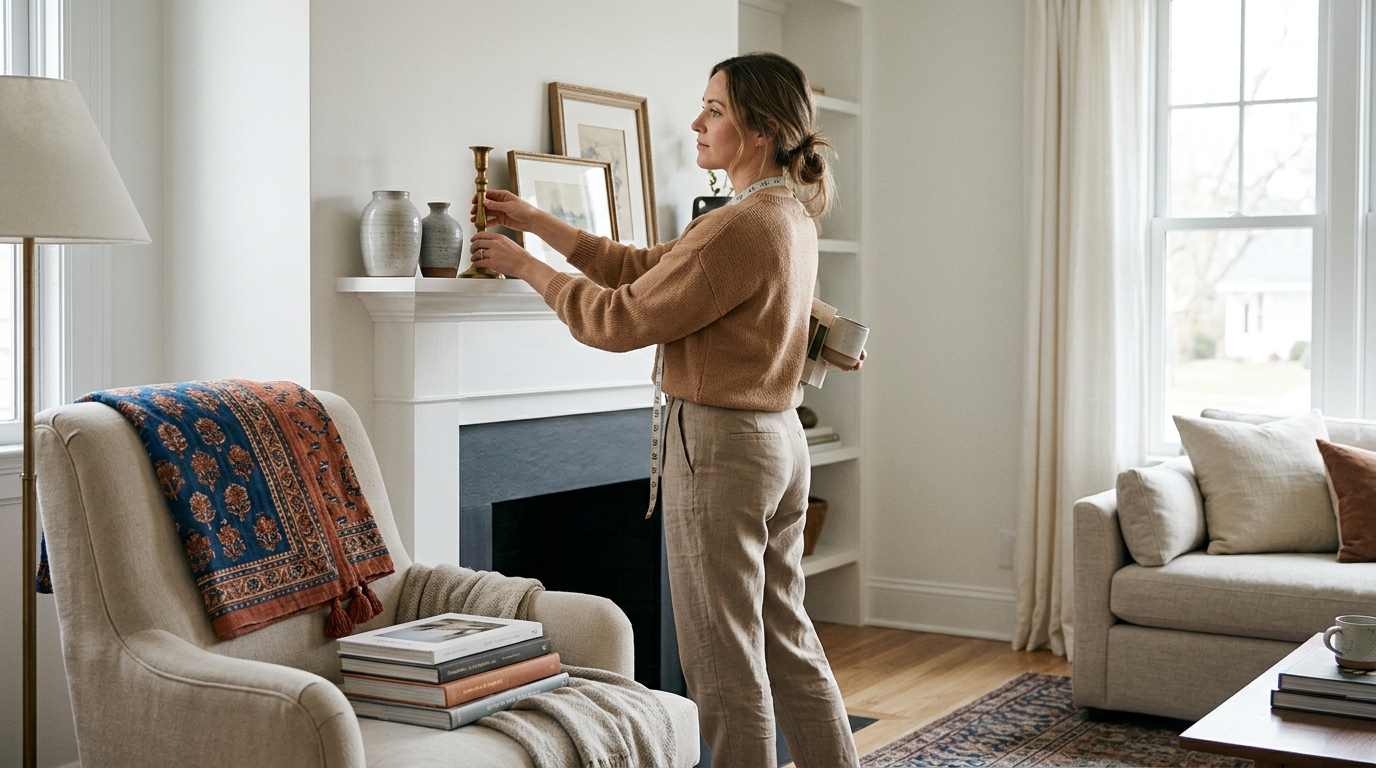
Creating a home that feels both curated and comfortable is a journey that requires patience and a keen eye. Many homeowners struggle to bridge the gap between inspiration boards and reality. According to recent interior design industry reports, over 60% of new homeowners cite "lack of confidence" as their primary barrier to achieving a cohesive aesthetic. This hesitation often leads to common pitfalls that can make a space feel disjointed or unfinished. The good news is that these errors are easily correctable with the right approach. By understanding the fundamental principles of balance, scale, and texture, you can transform your living environment into a sanctuary that reflects your personal style. This guide outlines the most frequent missteps and provides practical strategies to elevate your decor instantly.
Mistake 1: Ignoring Proper Lighting Layers
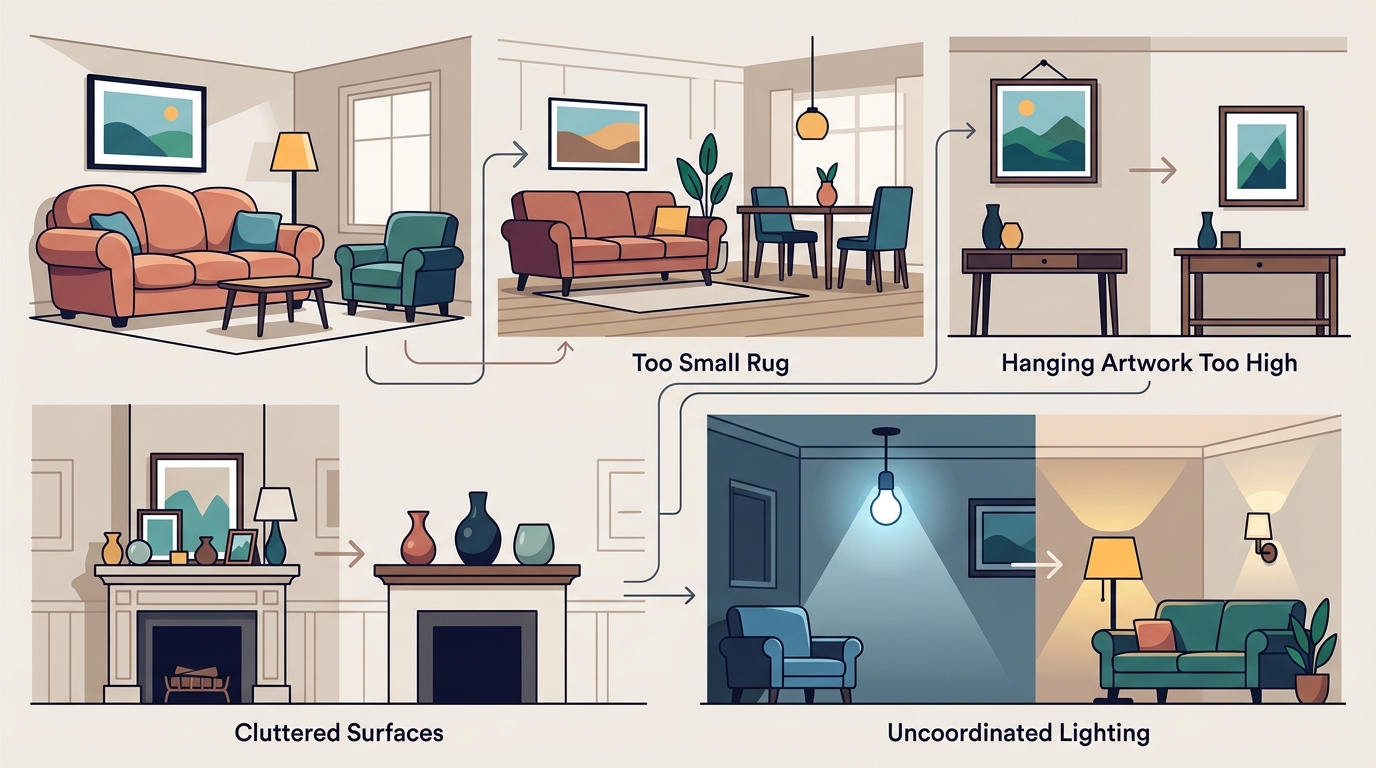
One of the most critical elements of interior design is lighting. Beginners often rely solely on overhead fixtures, which can create harsh shadows and a flat appearance. Lighting is the jewelry of the home. It sets the mood, highlights architectural features, and ensures functionality. Without a layered approach, rooms can feel sterile and uninviting.
To fix this, incorporate three types of lighting: ambient, task, and accent. Ambient lighting provides general illumination, while task lighting focuses on specific activities like reading or cooking. Accent lighting draws attention to artwork or architectural details. Adding table lamps, floor lamps, and wall sconces can dramatically change the atmosphere of a room. For example, a well-placed floor lamp in a corner can create a cozy reading nook that invites relaxation.
Scarlet Tassel offers a variety of home decor items that complement these lighting strategies. Their home decor collection includes decorative trays and candle holders that can enhance the aesthetic of any lighting setup. By combining functional lighting with decorative accents, you can create a warm and inviting space that feels both stylish and lived-in.
Mistake 2: Hanging Art at Eye Level
Many beginners hang artwork at standard eye level, which is typically around 57 to 60 inches from the floor. However, this rule often fails in living rooms or above furniture. When art is hung too high, it can look disconnected from the space and feel like it is floating. Art should be viewed at a comfortable angle. This means adjusting the height based on the furniture below it.
The golden rule is to hang art so that the center is approximately 57 to 60 inches from the floor, but when placing it above a sofa or console table, ensure there is a 6 to 8 inch gap between the top of the furniture and the bottom of the frame. This creates a visual connection between the art and the furniture, making the arrangement feel intentional. Additionally, consider the scale of the art. A single large piece can anchor a wall, while a gallery wall can add personality and depth to a space.
For those looking to add unique touches to their walls, exploring home accents can provide inspiration. Decorative plates and wall art can serve as focal points that tie a room together. By paying attention to these details, you can ensure that your artwork enhances the overall design rather than detracting from it.
Mistake 2: Neglecting Area Rugs
Rugs are often an afterthought for beginners, but they play a crucial role in defining spaces. A common mistake is choosing a rug that is too small for the room. A rug that is too small can make a room feel disjointed and unbalanced. Rugs anchor furniture and define zones. They add texture, color, and warmth to a space, making it feel more cohesive.
To fix this, ensure that your rug is large enough to fit at least the front legs of all furniture pieces on it. In a living room, this means the rug should extend beyond the sofa and chairs. In a dining room, the rug should be large enough to accommodate the table and chairs even when they are pulled out. This creates a sense of unity and prevents the furniture from looking like it is floating in the middle of the room.
Scarlet Tassel provides a range of home textiles that can complement your rug choices. Their decorative trays and serveware can add an extra layer of style to your coffee table or dining setup. By selecting the right size and style of rug, you can transform a plain floor into a stylish foundation for your decor.
Mistake 4: Using Only One Color Palette
While sticking to a monochromatic scheme can create a sleek look, relying solely on one color can make a space feel flat and boring. Beginners often fear mixing colors, but a well-curated palette adds depth and interest. Color creates emotion and movement. It can make a room feel larger, cozier, or more energetic depending on the hues chosen.
To avoid this mistake, use the 60-30-10 rule. This design principle suggests that 60% of the room should be a dominant color, 30% a secondary color, and 10% an accent color. This creates a balanced and harmonious look. For example, you might have neutral walls (60%), a colored sofa (30%), and vibrant throw pillows and art (10%). This approach allows for flexibility and makes it easy to update the space with minimal effort.
Scarlet Tassel's accessories collection offers a variety of colorful items that can serve as perfect accent pieces. From jewelry to home decor, their products can add pops of color that enliven any room. By experimenting with different color combinations, you can create a dynamic and personalized space that reflects your unique taste.
Mistake 5: Overlooking Seasonal Updates
Many homeowners decorate their spaces once and leave them unchanged for years. However, incorporating seasonal updates can keep your home feeling fresh and relevant. Seasonal decor reflects the rhythm of life. It allows you to express your personality and celebrate holidays without committing to permanent changes.
To fix this, swap out textiles, accessories, and small decor items with the seasons. In the fall, add warm-toned throw pillows and candles. In the winter, incorporate festive ornaments and holiday-themed serveware. In the spring, bring in fresh flowers and lighter fabrics. These small changes can have a big impact on the overall feel of your home. Scarlet Tassel's seasonal collection is perfect for this purpose, offering a wide range of items that can easily transition your home from one season to the next.
By embracing seasonal changes, you can keep your decor exciting and engaging. It also allows you to experiment with new styles and trends without the pressure of a major renovation. Whether it is a simple swap of throw blankets or a complete overhaul of your dining table setting, seasonal updates can breathe new life into your home.
Key Takeaways
- Layer Your Lighting: Combine ambient, task, and accent lighting to create depth and functionality in every room.
- Adjust Art Height: Hang artwork lower than eye level when placed above furniture to create a visual connection.
- Size Your Rugs Correctly: Ensure rugs are large enough to anchor furniture, not just fit under the coffee table.
- Apply the 60-30-10 Rule: Use a dominant, secondary, and accent color ratio to maintain balance and interest.
- Embrace Seasonal Changes: Regularly update textiles and decor to keep your home feeling fresh and aligned with the time of year.
- Invest in Quality Pieces: Focus on foundational items like rugs and lighting that have a lasting impact on the room's aesthetic.
- Curate with Intention: Every item should serve a purpose, whether functional or decorative, to avoid clutter.
Frequently Asked Questions
How do I choose the right size rug for my living room?
The rug should be large enough to fit the front legs of all major furniture pieces. In a standard living room, this often means a rug that is at least 8x10 feet. This ensures that the seating area feels grounded and cohesive.
What is the best way to hang a gallery wall?
Start by laying out your frames on the floor to experiment with arrangements. Then, measure the center point of each frame and transfer those measurements to the wall. Keep the spacing between frames consistent, typically 2 to 3 inches, for a polished look.
How can I add color to a neutral room without it looking overwhelming?
Use the 10% accent rule. Introduce color through throw pillows, artwork, and small decor items. This allows you to add vibrancy while maintaining a calm and sophisticated base.
Why is layering lighting important?
Layering lighting eliminates harsh shadows and creates a warm, inviting atmosphere. It also allows you to adjust the mood of the room for different activities, from bright task lighting for cooking to soft ambient lighting for relaxation.
How often should I update my home decor?
There is no strict rule, but updating small accessories seasonally can keep your home feeling fresh. Major furniture updates might happen every 5 to 7 years, depending on wear and changing tastes.
What are some easy ways to make a room feel more luxurious?
Incorporate textures like velvet, silk, and wood. Add metallic accents through hardware and decor items. Ensure your lighting is warm and layered. These elements add depth and sophistication to any space.
Where can I find unique home decor items?
Scarlet Tassel offers a curated selection of unique home decor, including seasonal items, barware, and accessories. Their home decor collection is a great resource for finding distinctive pieces that add personality to your home.
Ready to Transform Your Home?
Fixing common decor mistakes is the first step toward creating a home that truly feels like yours. By paying attention to lighting, art placement, rug sizing, color balance, and seasonal updates, you can elevate your space with confidence. Scarlet Tassel is here to support your journey with a wide range of curated decor items that blend style and functionality. Explore our home decor collection today and start making the changes that will transform your living space into a beautiful sanctuary. Visit our homepage to discover more inspiration and shop our latest arrivals.