
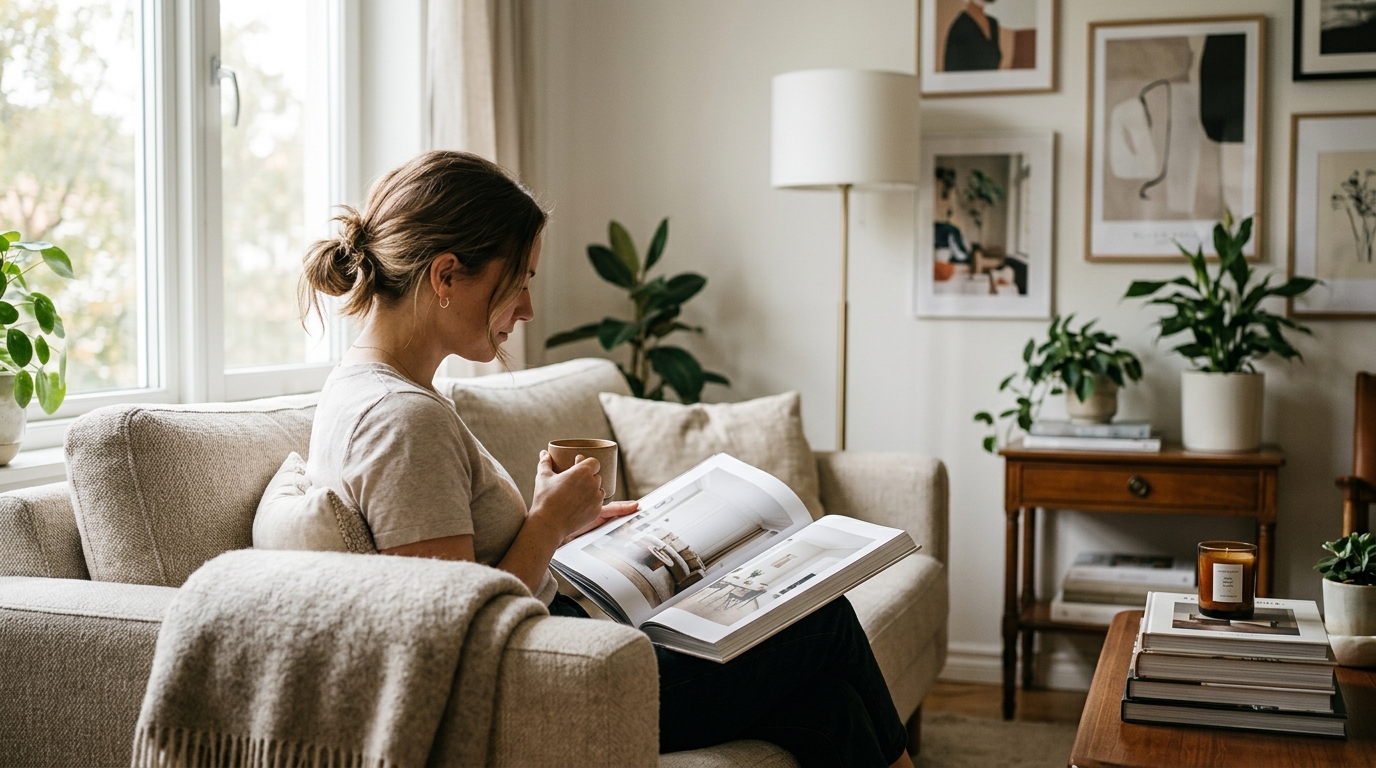
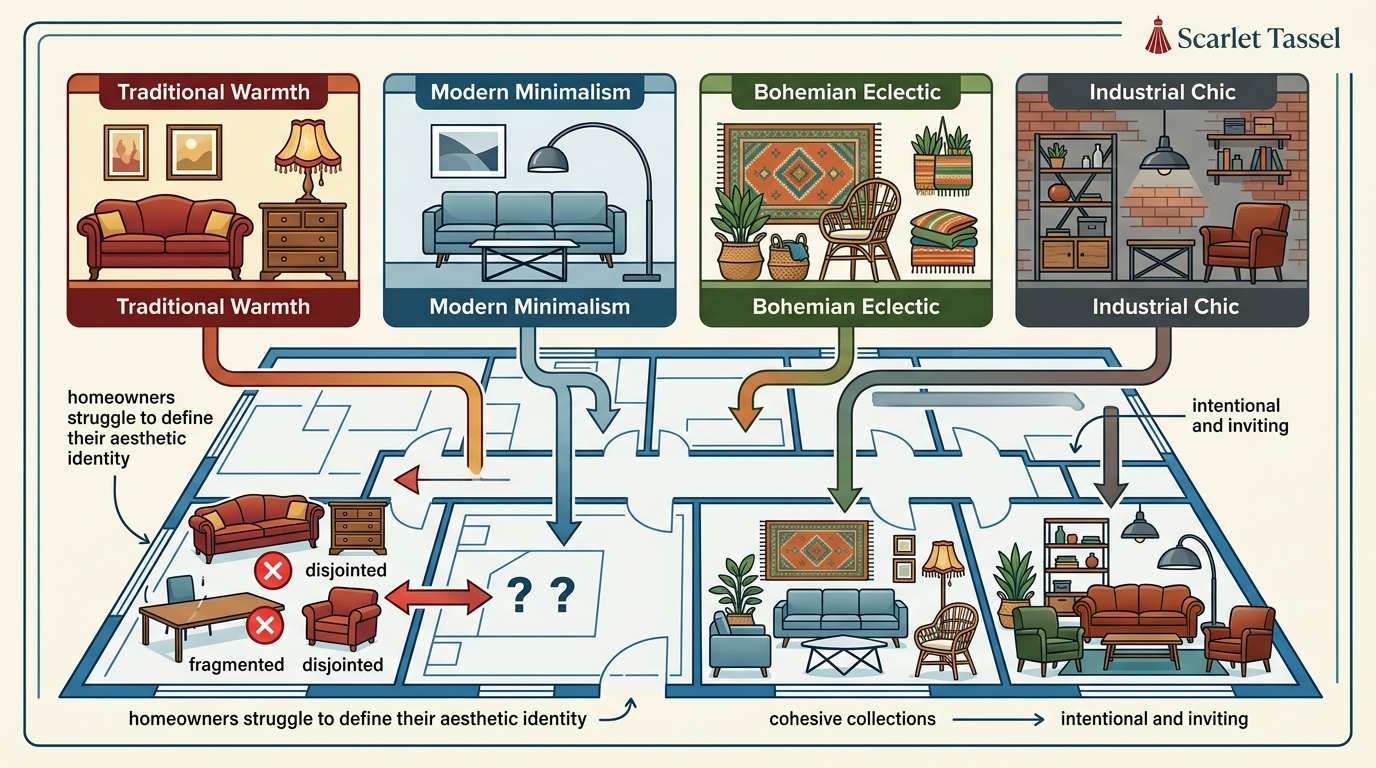
Transforming a living space into a personal sanctuary begins with a clear vision. According to recent industry reports, over 60% of homeowners struggle to define their aesthetic identity, leading to fragmented purchases and disjointed interiors. This guide provides a definitive framework for identifying your unique style, curating cohesive collections, and implementing changes that reflect your personality. Whether you are drawn to the warmth of traditional accents or the clean lines of modern minimalism, understanding the foundational principles of interior design will ensure your home feels intentional and inviting.
Identify Your Core Aesthetic
Before purchasing a single item, you must define the visual language of your home. Interior design is not merely about following trends; it is about creating an environment that resonates with your inner self. The first step involves recognizing the styles that naturally appeal to you. Do you prefer the ornate details of classic design, or do you find comfort in the simplicity of Scandinavian minimalism?
Modern design is characterized by clean lines, neutral color palettes, and a focus on function over ornamentation. This style emphasizes open spaces and high-quality materials like glass, steel, and polished wood. In contrast, traditional decor is defined by rich colors, dark woods, and intricate detailing that evokes a sense of history and elegance. Understanding these distinctions helps narrow down your options significantly.
To aid in this discovery, consider browsing curated collections that highlight specific moods. For instance, exploring home decor collections can provide visual inspiration for various aesthetics. If you are drawn to nature-inspired elements, you might lean toward Bohemian or Rustic styles. If you prefer structured, sophisticated environments, Modern or Contemporary styles may be more suitable. Take time to save images of rooms you admire to identify common threads in color, furniture shape, and accessory types.
Analyze Lifestyle and Functional Needs
A beautiful home must also be a livable one. Your decor style must accommodate your daily routines, family size, and habits. A home with young children or pets requires durable, easy-to-clean materials, which might influence you toward practical yet stylish options like performance fabrics or hardy woods. Conversely, a minimalist apartment might prioritize sleek, multi-functional furniture that maximizes space.
Consider the primary function of each room. Is the living room a place for quiet reading or lively gatherings? For high-traffic areas, investing in robust household essentials ensures longevity and reduces the need for frequent replacements. Analyze how you use your space during different times of the day. If you entertain guests often, you might need flexible seating arrangements and durable tableware. If you work from home, a dedicated, aesthetically pleasing workspace is crucial.
Functional needs also dictate the scale of your furniture. Large families may require substantial dining tables and ample storage solutions. Single occupants or couples might opt for modular sofas that can be rearranged as needs change. By aligning your aesthetic choices with your practical requirements, you create a home that is both visually stunning and highly functional.
Curate a Cohesive Color Palette
Color is the most powerful tool in interior design, setting the mood and defining the atmosphere of a room. A cohesive color palette ties disparate elements together, creating a sense of harmony and flow throughout your home. Start by selecting a base color, which typically covers large surfaces like walls and major furniture pieces. Neutral tones like white, beige, gray, or soft taupe are versatile and provide a calming backdrop.
Next, choose secondary colors that complement your base. These often appear in upholstery, rugs, and curtains. Finally, select accent colors for smaller items like throw pillows, artwork, and decorative accessories. Accent colors can be bold and vibrant, allowing you to inject personality and energy into the space. This three-tiered approach ensures that your design remains balanced and not overwhelming.
Lighting plays a critical role in how colors are perceived. Natural light changes throughout the day, affecting the warmth or coolness of your palette. Test paint samples and fabric swatches in your actual space at different times of day. Additionally, consider the emotional impact of colors. Warm tones like red, orange, and yellow create energy and warmth, while cool tones like blue, green, and purple promote relaxation and tranquility. Align your color choices with the desired mood of each room.
Select Furniture as the Foundation
Furniture forms the structural backbone of your decor style. It dictates the scale, proportion, and flow of a room. When selecting furniture, prioritize quality and timeless design over fleeting trends. A well-crafted sofa or dining table can serve as a focal point and anchor the rest of your decor choices. Look for pieces that reflect the aesthetic you identified in the first step.
For a modern look, choose furniture with simple silhouettes, straight lines, and minimal detailing. Materials like leather, metal, and glass are common. For a traditional aesthetic, opt for furniture with curved lines, carved details, and rich wood tones. Upholstery in velvet or brocade adds a touch of luxury. Regardless of style, ensure that the furniture fits the scale of your room. Oversized pieces can make a large room feel cramped, while undersized furniture can make a small room feel empty.
Investing in key pieces early on provides a solid foundation for layering other elements. Consider the barware and serving essentials if you enjoy entertaining, as these items often double as decorative accents. Quality furniture not only enhances the aesthetic but also ensures comfort and durability, making it a worthwhile investment for your home.
Layer Textiles and Texture
Textiles add warmth, comfort, and depth to a room. They soften hard surfaces and introduce tactile elements that invite touch. Rugs, curtains, throw pillows, and blankets are essential for layering. Start with a large area rug that anchors the seating arrangement. The rug should be large enough to fit at least the front legs of all furniture pieces on it, creating a cohesive grouping.
Introduce texture through a mix of materials. Combine smooth leather with nubby wool, sleek glass with rough-hewn wood, and soft velvet with crisp cotton. This contrast adds visual interest and prevents the space from feeling flat. Curtains should ideally hang from near the ceiling to the floor to create a sense of height and grandeur. Choose fabrics that complement your color palette and filter light appropriately.
Throw pillows are an easy and affordable way to update a room. Use them to introduce accent colors and patterns. A good rule of thumb is to mix solid colors with patterned pillows in varying scales. Blankets draped over sofas or chairs add an inviting touch and provide extra warmth. These elements are also perfect for incorporating seasonal decor trends, allowing you to refresh your space without major renovations.
Incorporate Seasonal Decor Elements
Seasonal decor allows your home to reflect the changing times of the year, keeping the space feeling fresh and relevant. It is an opportunity to express creativity and celebrate holidays or special occasions. Spring might bring fresh florals and light pastels, while autumn introduces warm tones, pumpkins, and cozy textiles. Winter often features festive lights, ornaments, and rich, deep colors.
Scarlet Tassel offers a wide range of seasonal collections designed to help you transition smoothly between holidays. From elegant Christmas ornaments to patriotic summer decor, these items add personality and charm to your home. Incorporating seasonal pieces does not require overhauling your entire decor. Simple swaps like changing throw pillows, adding a festive wreath, or displaying holiday-themed tableware can make a significant impact.
When selecting seasonal decor, aim for quality over quantity. Choose a few statement pieces that you love and can reuse year after year. This approach is more sustainable and cost-effective than buying cheap, disposable items. Additionally, consider the storage of these items. Having dedicated, organized storage ensures that your seasonal decor remains in good condition and is easy to access when needed. This practice maintains the integrity of your home's aesthetic throughout the year.
Key Takeaways
- Define Your Aesthetic: Identify whether you prefer modern, traditional, bohemian, or another style to guide your decisions.
- Prioritize Function: Ensure your decor choices accommodate your lifestyle, family size, and daily routines.
- Build a Palette: Use a base, secondary, and accent color strategy to create harmony and balance.
- Invest in Furniture: Choose high-quality, timeless pieces that anchor your space and reflect your style.
- Layer Textiles: Mix materials and textures to add depth, comfort, and visual interest.
- Embrace Seasonality: Use curated seasonal decor to keep your home feeling fresh and celebratory.
- Curate Collections: Explore specialized collections like gifts for her or gifts for him to add personal touches.
Frequently Asked Questions
How do I know which home decor style is right for me?
Reflect on the spaces you feel most comfortable in. Do you prefer clutter-free environments or cozy, layered rooms? Browse online galleries and save images that resonate with you to identify common patterns in color, furniture, and accessories.
Can I mix different decor styles in one home?
Yes, mixing styles can create a unique and personalized look. The key is to find a unifying element, such as a consistent color palette or material, to tie the different styles together. This approach is often called eclectic design.
How often should I update my home decor?
Major furniture pieces should last for years, but smaller decor items like pillows, artwork, and seasonal accents can be updated more frequently. Updating seasonal decor allows you to keep your home feeling current and festive without major investment.
What is the most important element in home decor?
Balance and proportion are critical. Ensure that furniture and decor items are scaled appropriately for the room size. A well-balanced room feels harmonious and inviting, regardless of the specific style chosen.
How can I add personality to my home without spending a lot?
Focus on small, high-impact changes like swapping out throw pillows, adding artwork, or displaying personal collections. These items reflect your interests and experiences, making the space uniquely yours.
Where can I find quality seasonal decor?
Specialty retailers like Scarlet Tassel offer curated seasonal collections that include high-quality ornaments, tableware, and home accents designed to last and elevate your holiday celebrations.
Is it better to buy furniture in sets or individually?
Buying individually allows for more customization and a unique look. It also enables you to invest in higher quality pieces over time. However, buying sets can ensure color and style coordination, which is helpful for beginners.
Start Your Transformation
Choosing your first home decor style is an exciting journey of self-discovery and creativity. By following these steps, you can create a space that is not only beautiful but also deeply personal and functional. Begin by defining your aesthetic, curating a cohesive palette, and selecting quality furniture. Then, layer in textiles and seasonal accents to bring your vision to life. Explore our curated home decor collections to find the perfect pieces to start your transformation today. Visit Scarlett Tassel to discover unique gifts and decor that embody the essence of living beautifully.