

Shopping for unique gifts online has evolved significantly in recent years. According to recent retail data, small business e-commerce sales have grown by over 20% annually, indicating a massive shift in consumer behavior toward independent retailers. However, this growth comes with a learning curve. Many shoppers encounter friction when navigating the distinct operational models of boutique gift shops compared to large-scale corporate retailers. Understanding these nuances is critical for ensuring a smooth purchasing experience. This guide outlines the most frequent errors customers make and provides actionable strategies to avoid them. (For The Bar ndash)
Shipping and Fulfillment Realities
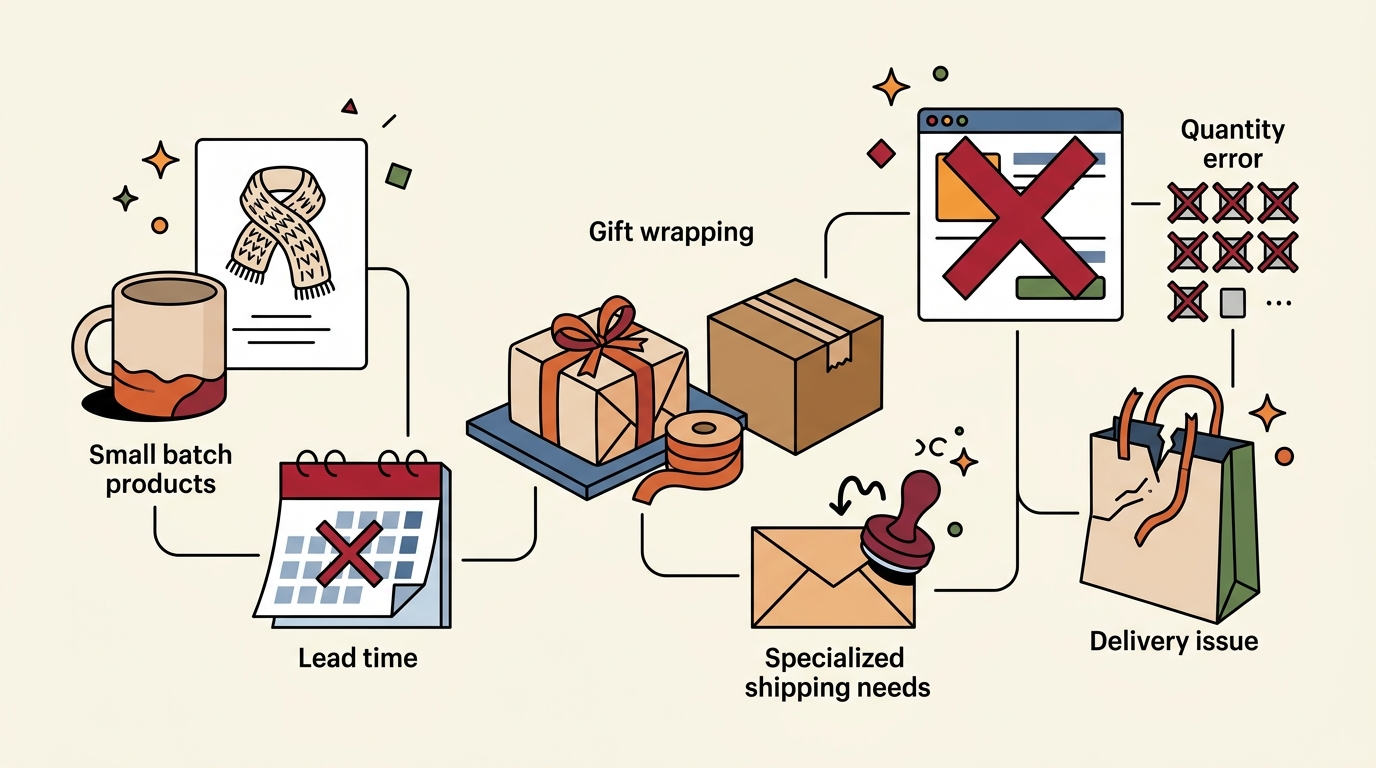
One of the most significant differences between small businesses and major retailers is their fulfillment infrastructure. Large corporations often utilize automated warehouses with same-day processing capabilities. In contrast, small gift shops typically rely on manual packing processes. This manual approach ensures quality control but can lead to longer processing times. Customers often assume that an order placed on Friday will ship immediately. This assumption is frequently incorrect for boutique operations.
Another common mistake is ignoring the shipping origin. Many small businesses operate from specific geographic locations. For example, Scarlet Tassel is located in Greenville, South Carolina. Orders originating from this region may have different transit times depending on the destination. Shoppers should always check the estimated delivery window provided at checkout. Assuming standard two-day shipping is available for all items is a costly error. It is essential to read the shipping policy carefully before finalizing a purchase.
Additionally, customers often fail to account for carrier delays during peak seasons. Holiday periods see a surge in package volumes across all logistics networks. Small businesses cannot always absorb these delays. They rely on third-party carriers for final delivery. If a gift is needed by a specific date, ordering early is the only reliable strategy. Waiting until the last minute often results in missed deadlines. This is particularly true for international shipments or remote domestic locations.
Inventory and Stock Accuracy
Small businesses often curate limited-edition collections. These items are produced in small batches to maintain exclusivity. A frequent error is assuming that an item shown on the website is currently in stock. Inventory levels for boutique items can change rapidly. Unlike large retailers with vast warehouses, small shops may have only a few units of a popular item. Once these units are sold, the item is often discontinued or marked as backordered.
Shoppers should look for clear stock indicators on product pages. Terms like "Low Stock" or "Only X Left" are critical signals. Ignoring these warnings can lead to disappointment at checkout. Some small businesses use real-time inventory syncing. Others update their stock levels manually. This discrepancy can cause overselling issues. If an item is out of stock, checking the "For The Season" collection might reveal similar alternatives. Scarlet Tassel's seasonal collections are designed to rotate frequently, reflecting current trends and availability.
Another aspect of inventory management is the distinction between in-house stock and drop-shipped items. Some boutique shops partner with artisans who ship directly to the customer. This model can extend delivery times significantly. Customers must verify whether the item ships from the main warehouse or a third-party vendor. This information is often found in the product description or the FAQ section. Understanding this distinction helps manage expectations regarding delivery speed.
Navigating Return Policies
Return policies for small businesses are often more restrictive than those of major retailers. Large companies may offer free returns and extended return windows. Small businesses, operating with thinner margins, often have stricter guidelines. A common mistake is assuming that all items can be returned for a full refund. Many boutique shops sell final sale items, particularly during clearance events. These items cannot be returned or exchanged.
Customers should always review the return policy before purchasing. Look for details on who pays for return shipping. In many cases, the customer is responsible for return costs. This can be expensive relative to the item's value. Some shops offer store credit instead of refunds. This policy encourages future purchases but limits immediate financial recovery. Understanding these terms prevents unexpected costs and frustration.
Another critical factor is the condition of the returned item. Small businesses often require items to be in original, unworn condition with tags attached. Personalized or customized items are rarely eligible for returns. This is because they cannot be resold to other customers. Shoppers must be certain about their choices when ordering custom gifts. Taking time to verify measurements and specifications is essential. It is better to ask questions before buying than to deal with a return hassle later.
Overlooking Product Specifications
Online shopping lacks the tactile experience of physical stores. Customers cannot touch, smell, or try on items before purchasing. This limitation leads to frequent mistakes regarding size, material, and color accuracy. A common error is assuming that product images are perfectly representative of the actual item. Lighting and photography angles can alter the perceived color of fabrics and decor. Reading the material composition is vital for understanding the product's feel and durability.
Size charts are another area where shoppers often err. Small businesses may use different sizing standards than mass-market brands. Relying on generic size labels like "Medium" or "Large" is risky. Always consult the specific size chart provided for each product. Measurements in inches or centimeters are more reliable than size labels. If the chart is missing, contacting customer service for clarification is a smart move. This step prevents receiving items that do not fit.
Material quality is also a key consideration. Boutique gifts often feature natural materials like wood, ceramic, or linen. These materials have unique characteristics that differ from synthetic alternatives. For instance, wood may have natural grain variations. Ceramic may have slight glaze imperfections. These are not defects but features of handmade or small-batch production. Understanding this helps customers appreciate the uniqueness of their purchase. It also sets realistic expectations for the item's appearance.
Communication and Support Channels
Small businesses often provide more personalized customer service than large corporations. However, this comes with different response times and channels. A common mistake is expecting instant responses via email or social media. Small teams handle customer inquiries alongside packing orders and managing inventory. Response times may vary, especially during busy periods. Patience and clear communication are essential for effective support.
Shoppers should utilize the available contact methods effectively. Many small businesses list their phone numbers and business hours on their contact pages. For urgent inquiries, calling during business hours is often more effective than emailing. Contacting Scarlet Tassel directly allows for immediate assistance with order questions. This direct line of communication can resolve issues quickly and efficiently.
Another aspect of customer service is the handling of special requests. Small businesses are often more flexible than large retailers. They may accommodate gift wrapping, personalized notes, or specific shipping instructions. However, these requests must be made clearly and early in the process. Assuming that the shop will automatically include these services is a mistake. Explicitly stating your needs ensures that your gift is presented exactly as intended. This attention to detail enhances the overall gifting experience.
Ignoring Seasonal Demand Spikes
Small businesses experience significant fluctuations in demand based on holidays and seasons. Items related to Christmas, Mother's Day, or Valentine's Day often sell out weeks in advance. A common mistake is waiting until the last minute to order seasonal gifts. By the time the holiday approaches, popular items may be out of stock. This leads to rushed decisions and potentially higher shipping costs for expedited delivery.
Shoppers should plan their gift purchases around the business's seasonal calendar. Many small businesses release their holiday collections early in the year. Taking advantage of these early releases ensures access to the full range of products. It also allows for more reasonable shipping options. Waiting until December to order Christmas gifts often results in limited availability and delayed delivery. This is a critical consideration for anyone shopping for small business gifts.
Additionally, seasonal demand affects pricing and promotions. Small businesses may offer early-bird discounts to encourage advance purchases. These promotions are often time-sensitive. Missing these opportunities can result in paying full price for the same item. Keeping an eye on the blog or newsletter for updates on sales and new arrivals is a smart strategy. This proactive approach helps shoppers save money and secure the gifts they want.
Key Takeaways
- Shipping Times Vary: Small businesses often have longer processing times due to manual packing. Always check estimated delivery dates.
- Inventory is Limited: Boutique items are produced in small batches. Low stock warnings should be taken seriously.
- Return Policies Differ: Many small businesses have stricter return policies. Check for final sale items and return shipping costs.
- Product Details Matter: Rely on size charts and material descriptions rather than images alone.
- Contact Early: Direct communication can resolve issues quickly. Use phone or email during business hours.
- Plan for Seasons: Order holiday gifts early to avoid stockouts and high shipping costs.
- Embrace Uniqueness: Small batch items may have natural variations. These are features, not defects.
Frequently Asked Questions
How long does shipping take from small business gift shops?
Shipping times vary depending on the business's location and current order volume. Most small businesses require 1-3 business days for processing before the item ships. Transit times depend on the carrier and destination. It is best to check the specific shipping policy for each retailer.
Can I return an item if it does not fit?
Return policies differ among small businesses. Some offer exchanges or store credit, while others have final sale policies. Always review the return policy before purchasing. Items must typically be in original condition with tags attached.
Do small businesses offer gift wrapping?
Many small businesses offer gift wrapping services. This is often an optional add-on at checkout. Some shops allow you to include a personalized note. Check the product page or contact customer service to confirm availability.
Why are some items marked as "Low Stock"?
Small businesses often produce items in limited quantities. "Low Stock" indicates that only a few units remain. This is common for handmade or curated items. Once these items are sold, they may not be restocked.
How can I contact customer service for urgent questions?
Most small businesses list their contact information on their website. Phone numbers and email addresses are typically available on the Contact page. Calling during business hours is often the fastest way to get a response.
Are the colors in product images accurate?
Product images are taken with care, but lighting and screen settings can affect color perception. Material descriptions provide the most accurate information about the item's appearance. If you have concerns, contact customer service for additional details.
Do small businesses offer international shipping?
Many small businesses do offer international shipping. However, this often results in longer delivery times and additional customs fees. Check the shipping policy for specific details on international orders and associated costs.
Start Your Thoughtful Gifting Journey Today
Avoiding these common mistakes ensures a smoother and more enjoyable online shopping experience. By understanding the unique operational model of small business gift shops, you can make informed decisions and secure the perfect gifts for your loved ones. Take the time to explore curated collections, read product details carefully, and plan your purchases around seasonal demand. For those seeking high-quality, uniquely curated gifts, visit Scarlet Tassel to discover a wide range of home decor, accessories, and seasonal items. Start shopping today and experience the difference of supporting independent businesses.