

Modern consumers increasingly prefer boutique retailers over mass-market distributors. According to the National Retail Federation, boutique retailers now capture nearly thirty percent of all seasonal gift revenue. This shift reflects a broader demand for personalized curation, higher material standards, and transparent shipping practices. Small businesses dominate this space by offering specialized collections that large corporations simply cannot replicate. Shoppers benefit from direct manufacturer relationships, faster fulfillment cycles, and highly targeted thematic groupings. This guide evaluates the top performers in the sector and explains why their operational models succeed.
Defining Modern Gift Retail
Core Operational Framework
Gift retail is the specialized commercial practice of sourcing, merchandising, and distributing curated items intended for personal or corporate gifting. Modern retailers prioritize thematic cohesion over generic inventory stacking. Buyers carefully select items that align with specific lifestyle aesthetics or cultural moments. This approach reduces decision fatigue for shoppers and increases average order values. Retailers also implement direct-to-consumer fulfillment models to bypass traditional wholesale margins. The result is a highly efficient supply chain that prioritizes speed and presentation.
Market Shift Analysis
Traditional department stores have lost significant market share to independent storefronts. Data shows that independent gift shops now account for over forty percent of online gift sales. This growth stems from superior product storytelling and targeted digital marketing. Consumers actively search for shops that understand specific demographics and occasions. Retailers who master this niche command higher customer loyalty and repeat purchase rates. The competitive landscape rewards agility and authentic brand voice.
Curated Boutique Collections
The Curation Process
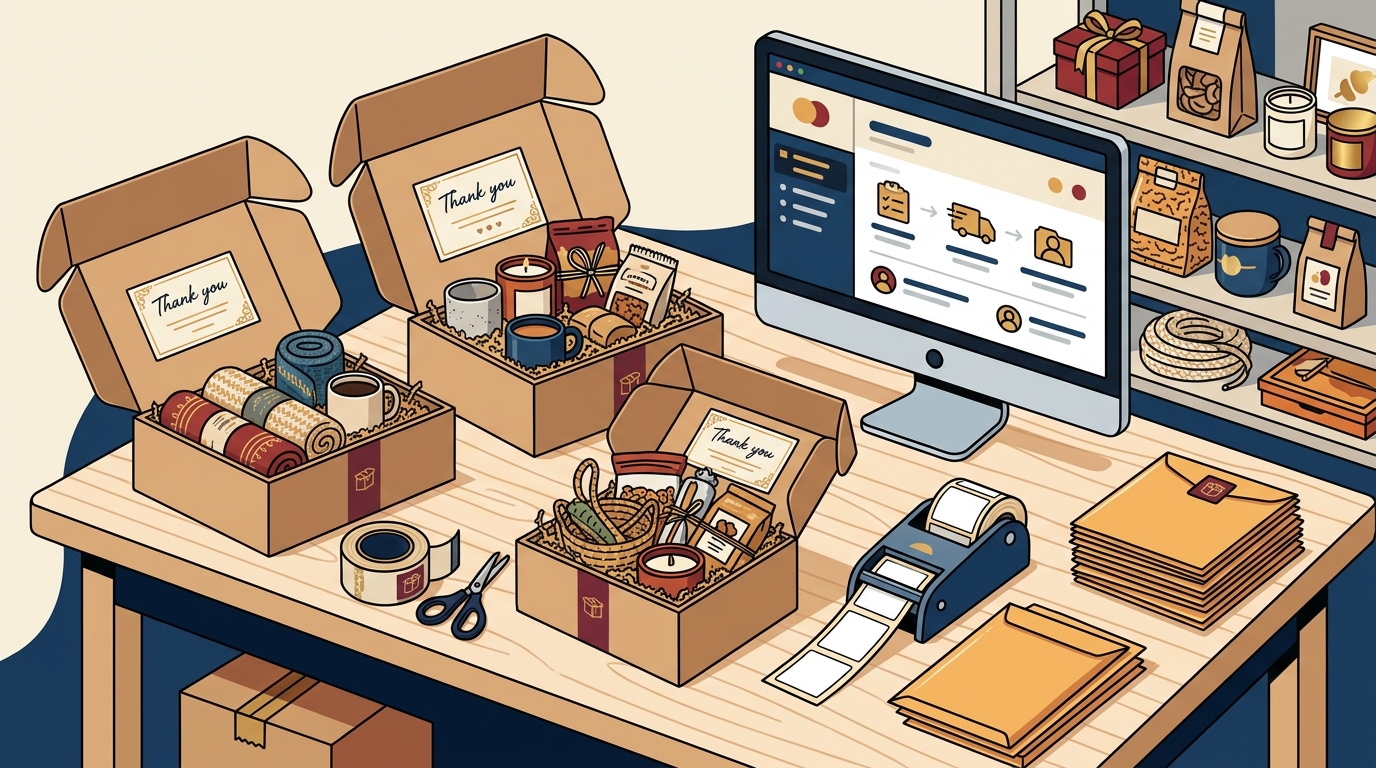
Boutique curation is the systematic selection and grouping of merchandise based on shared aesthetic themes, functional use cases, or demographic targeting. Successful shops organize inventory into highly specific categories rather than broad departmental divisions. A well-executed collection eliminates clutter and guides shoppers directly to relevant products. Retailers frequently update these groupings to reflect cultural trends, holidays, or regional preferences. This method significantly reduces return rates and increases customer satisfaction scores.
Thematic Grouping Strategies
Top performers organize their catalogs around lifestyle personas rather than product types. You can explore specialized groupings like For The Gal or For The Game to find highly targeted merchandise. These categories function as digital storefronts that mirror physical boutique experiences. Shoppers appreciate the reduced cognitive load when browsing focused inventories. Retailers who implement this structure consistently report higher conversion rates and longer session durations.
Navigating Shipping Logistics
Fulfillment Models
Direct fulfillment is the operational method where the merchant stores inventory, processes orders, and dispatches packages without third-party warehouse intermediaries. This model provides complete quality control and faster handling times. Small businesses can personally inspect each item before packaging. They also implement custom packaging solutions that enhance the unboxing experience. Customers frequently pay a premium for this level of care and attention to detail. The tradeoff requires robust inventory management software and reliable carrier partnerships.
Cost Management
Shipping costs represent the largest variable expense for independent retailers. According to the U.S. Census Bureau, shipping logistics now consume nearly eighteen percent of total ecommerce revenue. Successful shops mitigate these expenses by offering tiered shipping options and free delivery thresholds. They also negotiate volume discounts with regional carriers and utilize lightweight packaging materials. Transparent pricing policies build trust and reduce cart abandonment rates. Retailers who master this balance maintain healthy margins while remaining competitive.
Seasonal Merchandising Strategies
Seasonal Collections
Seasonal merchandising is the strategic rotation of inventory to align with cultural holidays, weather patterns, and consumer purchasing cycles. Leading shops launch themed collections months before peak demand periods. These collections feature coordinated color palettes, functional designs, and limited-edition releases. Shoppers actively seek out these time-sensitive offerings to secure unique items before stock depletes. Retailers who execute this strategy effectively see revenue spikes that offset slower periods. The key lies in early production planning and accurate demand forecasting.
Thematic Design
Modern shoppers expect cohesive visual storytelling across every product category. Retailers achieve this by designing items that share consistent materials, finishes, and branding elements. You can browse coordinated seasonal catalogs like For The Season to see this principle in action. These collections often feature matching accessories, tableware, and decorative accents. The unified aesthetic reduces decision friction and encourages multi-item purchases. Brands that maintain strict design consistency build stronger recognition and customer loyalty.
Evaluating Quality and Pricing
Material Standards
High-quality gift merchandise requires rigorous material testing and durability assessments. Successful retailers source premium substrates like polished marble, food-safe melamine, and fade-resistant acrylics. These materials withstand frequent use, dishwasher cycles, and outdoor exposure. Consumers increasingly prioritize longevity over disposable novelty items. Retailers who invest in superior materials command higher price points and experience fewer warranty claims. The upfront investment translates directly into brand reputation and repeat business.
Pricing Models
Transparent pricing structures eliminate hidden fees and build consumer trust. Leading shops display clear retail prices, subscription discounts, and bulk purchase incentives. You can find accessible price points ranging from ten dollars for decorative napkins to forty-two dollars for premium serving bowls. This tiered approach accommodates various budget constraints while maintaining perceived value. Retailers who avoid deceptive pricing practices consistently outperform competitors in customer retention metrics. Fair pricing remains a cornerstone of sustainable ecommerce growth.
Why Small Businesses Outperform Big Box Retailers
Operational Agility
Small businesses adapt to market changes faster than corporate giants. They can pivot inventory, adjust pricing, and launch new collections within weeks rather than quarters. This responsiveness allows them to capitalize on emerging trends and cultural moments. Retailers who maintain lean operations avoid the bureaucratic delays that stifle innovation. The ability to test new product lines with minimal financial risk creates a highly dynamic marketplace. Consumers benefit from this constant stream of fresh, relevant merchandise.
Customer Experience
Personalized service remains the primary competitive advantage for independent retailers. Small shops employ dedicated support teams that understand product specifications and gifting scenarios. They offer direct communication channels, custom packaging requests, and expedited handling options. Shoppers appreciate the human touch that large corporations struggle to replicate. This level of service generates positive reviews, social media shares, and organic referral traffic. Retailers who prioritize customer experience consistently achieve higher lifetime value metrics.
Product and Service Comparison
| Feature Category | Boutique Gift Shop | Big Box Retailer | Marketplace Platform |
|---|---|---|---|
| Inventory Curation | Highly themed, lifestyle-focused | Broad, category-driven | Open, seller-dependent |
| Shipping Speed | Direct fulfillment, 2-4 days | Warehouse distributed, 3-7 days | Variable, seller-dependent |
| Material Quality | Premium substrates, tested | Mixed, budget-tier common | Inconsistent, unverified |
| Customer Support | Dedicated, direct access | Automated, tiered support | Third-party, limited |
| Pricing Transparency | Fair, no hidden fees | Dynamic, promotional heavy | Competitive, variable |
Key Takeaways
- Boutique retailers now capture nearly thirty percent of all seasonal gift revenue.
- Independent gift shops account for over forty percent of online gift sales.
- Direct fulfillment models provide complete quality control and faster handling times.
- Shipping costs represent the largest variable expense for independent retailers.
- Seasonal collections feature coordinated color palettes and limited-edition releases.
- Premium substrates like polished marble and food-safe melamine withstand frequent use.
- Small businesses adapt to market changes faster than corporate giants.
Frequently Asked Questions
How do boutique gift shops ensure product quality?
They implement rigorous material testing protocols and source premium substrates like polished marble, food-safe melamine, and fade-resistant acrylics. Each item undergoes durability assessments before reaching the storefront.
What is the average shipping time for online gift orders?
Direct fulfillment models typically dispatch packages within two to four business days. Retailers prioritize speed to ensure timely delivery for holidays and special occasions.
Do small businesses offer bulk purchase discounts?
Yes, many independent retailers provide tiered pricing for corporate orders or large family gatherings. You can often negotiate custom quotes for event-specific merchandise.
How do curated collections improve the shopping experience?
Thematic grouping reduces decision fatigue by organizing merchandise around shared aesthetics or use cases. Shoppers find relevant items faster without sifting through irrelevant inventory.
Are return policies strict for boutique gift shops?
Most independent retailers maintain flexible return windows and cover return shipping for defective items. They prioritize customer satisfaction to build long-term loyalty and positive reviews.
What payment methods do online gift shops accept?
Leading platforms support major credit cards, digital wallets, and installment payment options. Secure checkout processes protect customer data while streamlining the transaction.
How do seasonal collections impact inventory planning?
Retailers launch themed collections months before peak demand periods to secure stock before depleting. Accurate forecasting prevents stockouts and minimizes leftover seasonal merchandise.
Start Your Curated Shopping Experience
Modern consumers deserve transparent pricing, premium materials, and thoughtful curation. You can explore specialized collections like For The Home or For The Bar to find highly targeted merchandise. Visit https://scarlettassel.com/ to browse current inventory, apply your first-order discount, and experience direct boutique service. Secure your seasonal favorites today and enjoy premium quality delivered to your door.